
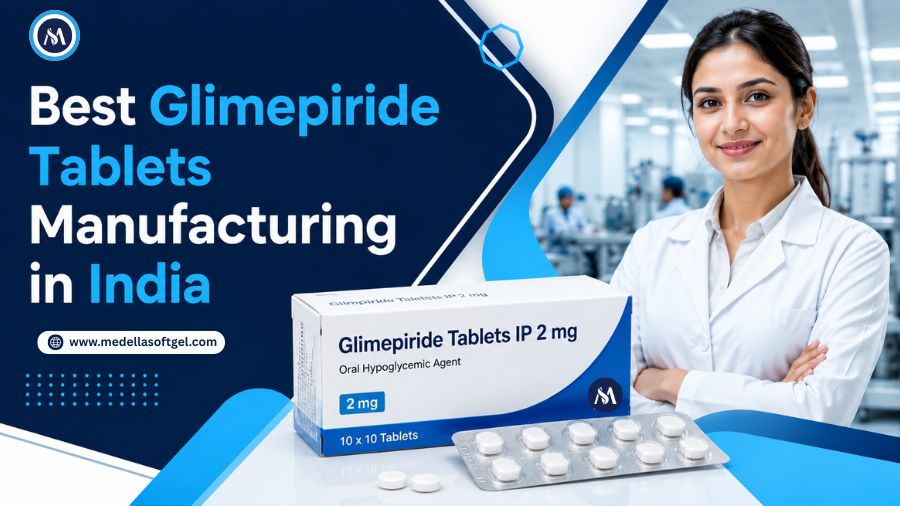
Best Glimepiride Tablets Manufacturing in India
India’s top manufacturer of Glimepiride Tablets, such as Medella Softgel, operates certified facilities. They manufacture both standalone Glimepiride and blend therapies, broadly used for Type 2 diabetes.
Handling health conditions like type 2 diabetes demands trusted access to top-quality medication. Among the most reliable choices prescribed by doctors globally are glimepiride tablets. As the international demand for useful diabetes care surges, India has firmly established itself as a primary hub for manufacturing these life-saving medicines. For pharmaceutical brands, locating the appropriate manufacturing partner is vital for providing secure, useful, and compliant treatments to patients.
Understanding Glimepiride and Its Global Demand
Glimepiride belongs to a class of medications called sulfonylureas. It works mainly by stimulating the beta cells in the pancreas to release more insulin while assisting the body in using its current insulin more effectively.
Because type 2 diabetes usually demands long-term, regular management, the Because type 2 diabetes usually demands long-term, regular management, the consistency of the dosage is crucial. Any variation in the purity or release profile of the drug can directly affect a patient’s blood glucose control. As a result, medicine manufacturing companies in India should comply with very strict production rules to make sure that every single batch of glimepiride tablets behaves identically in the patient’s body.



The Landscape of Glimepiride Tablets in India
India’s pharmaceutical ecosystem is remarkably situated to manage large-scale manufacturing without sacrificing accuracy. The local market for glimepiride tablets in India is costly, catering to millions of patients through standalone formulations along with fixed-dose blends.
To meet both local and global needs, glimepiride tablet manufacturers in India take advantage of specialized machinery and profound analytical specialization. The manufacturing infrastructure spans across primary industrial zones, including Jammu & Kashmir, Himachal Pradesh, Gujarat, and Maharashtra, delivering an optimized supply chain and cutting-edge facilities.
Step-by-Step Manufacturing Process of Glimepiride Tablets Manufacturing in India
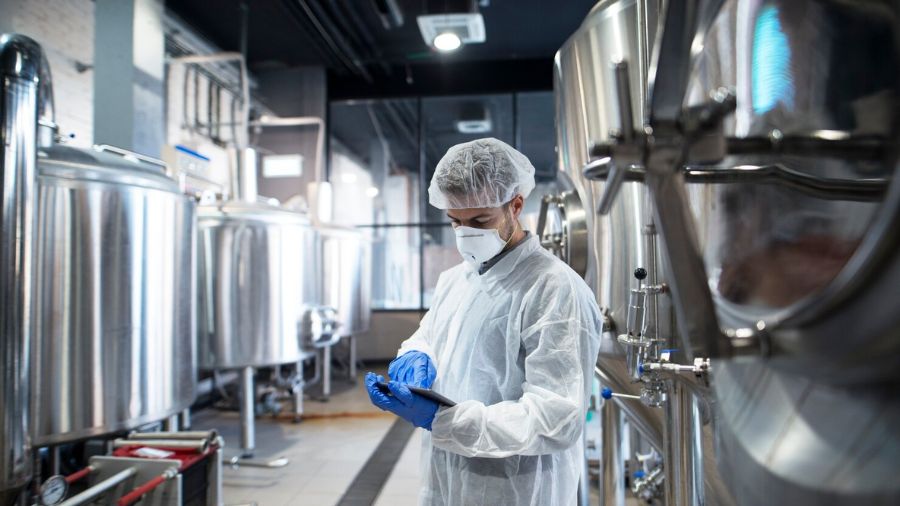
Producing an oral solid dosage form like a Glimepiride tablet demands a sequence of tightly managed chemical engineering procedures. Because glimepiride is potent at relatively low doses, making sure uniform allocations of the active pharmaceutical ingredient across the whole batch is a major digital difficulty.
The common industrial workflow consists of the following phases –
1. Dispensing and Sifting – The raw materials, consisting of the active glimepiride API and excipients such as lactose, microcrystalline cellulose, and disintegrants, are meticulously weighed. They are passed through physical sifting screens to break up lumps and make sure a uniform particle size allocation before mixing.
2. Granulation (Wet or Dry) – Because API particles can differ remarkably in size and density in comparison to excipients, mixing them directly can cause segregation. To combat this –
- Wet Granulation – A liquid binder solution is added to the power mixt of form moist agglomerates.
- Dry Granulation – For moisture-sensitive variations, the powder is compacted utilizing a roller compactor into dense ribbons, which are then milled back into uniform granules.
3. Drying and Sizing – If wet granulation is utilized, the moist granules are dried in a Fluidized Bed Dryer until an optimal level of moisture remains. The dried granules are then passed through a multi-mill to achieve an accurate granule size, which guarantees seamless flow into the tablet press machine.
4. Blending and Compression – Lubricants are added to the granules to prevent them from sticking to the machinery. The blend is then fed into a high-speed, rotary tablet compression machine. Steel punches exert thousands of pounds of physical pressure per square inch, turning the loose granules into solid, accurately structured tablets.
5. Quality Inspection and Packaging – The compressed tablets go through constant mechanical testing for weight variation, hardness, friability, and disintegration time. Once examined, they are routed to blister or strip packaging lines to secure them from environmental moisture and light.
Legal and Regulatory Compliance in India

Running within the Indian Pharmaceutical landscape demands stringent compliance with legal structures developed to guarantee customer protection. Before a facility can generate a single strip of medication, it should obtain a legal pharma manufacturing license.
Key Regulatory Frameworks
1. CDSCO Authority – The Central Drugs Standard Control Organization is India’s national regulatory body. It sets the baseline norms for drug quality, protection, and effectiveness under the Drugs and Cosmetics Act.
2. Good Manufacturing Practices – Adherence to WHO-GMP and ISO norms is non-negotiable for advanced production facilities. These common dictate air filtration rules, water purification formations, cross-contamination prevention, and strict paperwork chains.
3. Licensing Requirements – A company should get particular permissions, like Form 25 or Form 28, backed by broad analytical testing data and evidence of structural adherence.
Third-Party Pharma Manufacturing – A Strategic Business Model

Establishing a devoted pharmaceutical factory demands huge capital investment, complicated real estate investments, and constant regulatory upkeep. To remain agile, complicated real estate acquisitions, and constant regulatory upkeep. To stay agile, several advanced healthcare brands partner with third party pharma manufacturing companies.
Under this model, the brand manages marketing, allocation, and clinical positioning, while a professional third party pharma manufacturing company in India handles the actual laboratory formulation, raw materials sourcing, and physical production.
Benefits of the Third-party models –
1. Cost Efficiency – Removes the overhead of sustaining heavy industrial machinery and a factory team.
2. Scalability – Production volumes can effortlessly scale up or down depending on market demand.
3. Regulatory Peace of Mind – The third-party glimepiride tablets Manufacturers in India manage the legal complications of sustaining a certified facility, performing batch testing, and adhering to shifting regulatory policies.
Medella Softgel – A Leader in Pharma Manufacturing
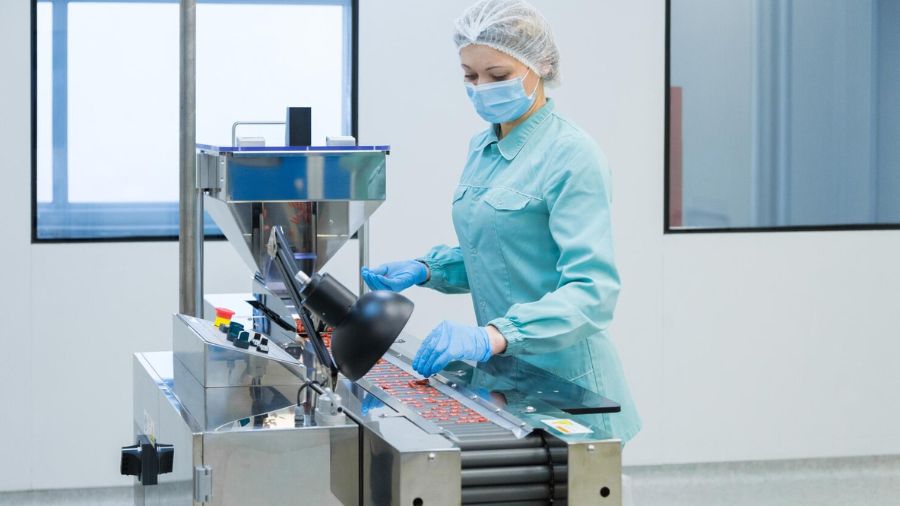
When selecting a partner for glimepiride tablets Manufacturing in India crucial chronic care medicines, Medella Softgel stands out as an extremely reliable name in the sector.
Situated in the SIDCO Industrial Area of Kathua, Jammu & Kashmir, Medella Softgel has made a standing as a premiere multi-dosage manufacturer. While their name outlines specialization in modern soft gelatin capsules, their high-capacity solid oral line makes them one of the top glimepiride tablets manufacturers in India.
Why Partner with Medella Softgel?
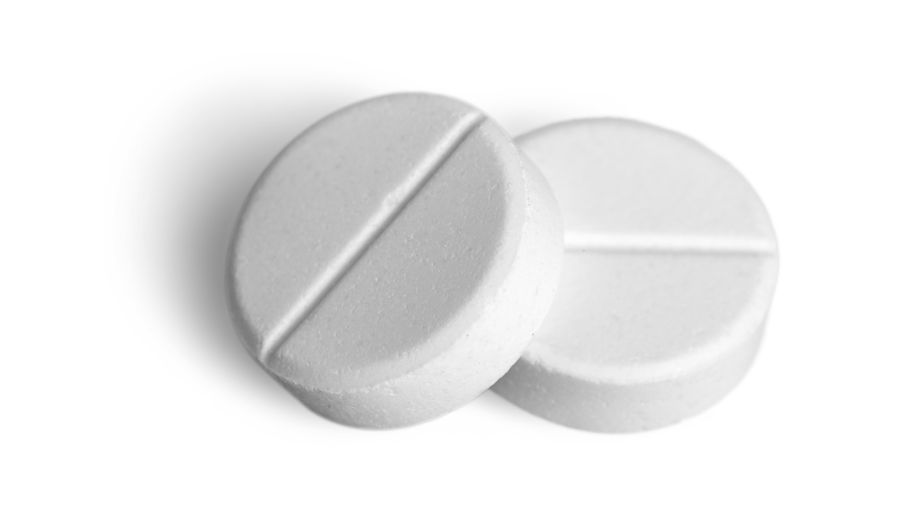
1. Advanced Facilities – Their production floors use modern automation to decrease human mistakes and remove cross-contamination during the tablet granulation and compression cycles.
2. Flexible Combinations – Medella Softgel actively manufactures broad anti-diabetic portfolios, including complicated blends like Glimepiride mixed with Metformin HCl.
3. Comprehensive Quality Control – Every production run goes through structured testing inside completely integrated, advanced analytical laboratories to guarantee accurate dissolution and stability profiles over a multi-year shelf life.
By mixing technical precision with clear business methods, Medella Softgel delivers top-notch support for brands seeking to establish or grow their presence in the metabolic health industry.
Crucial Factors for Choosing a Manufacturing Partner
If you’re seeking to outsource your product line, keep these digital parameters at the forefront of your growth –
| Selection Criteria | Key Considerations |
| Analytical Capabilities | Can the producer run high-performance liquid chromatography to examine API purity? |
| Capacity and Lead Times | Do they hold high-output rotary presses able of scaling up for sudden market demands? |
| Cross-Contamination Protocols | Are the devoted HVAC air handling units designed to maintain units to keep hormone or steroid lines separated from anti-diabetic manufacturing zones? |
| Supply Chain Transparency | Where do they source their raw glimepiride API? Are the chemical inputs completely certified? |
Conclusion
The production of glimepiride tablets in India represents an ideal harmony of modern chemical processing, strict legal adherence, and innovative business strategies. By using the infrastructure of third party pharma manufacturing companies, health brands can rapidly bring secure, life-improving diabetes treatments to international markets.
Connecting with established, WHO-GMP-certified organizations like Medella Softgel makes sure that your formulations are made on a base of quality, digital superiority, and absolute regulatory adherence.
Also Read: Liquid Syrup Manufacturing: Quality Control Standards Explained