

When Is the Best Time to Take Azithromycin for Best Results?
The best time to take Azithromycin tablet is at the same time every day. Though you can take it with or without food, it is recommended to take it 1 hour before food. Also, it can be taken 2 hours after eating food to maximize its absorption rate and bioavailability.
Azithromycin is a macrolide antibiotic that is widely used to treat a variety of infections. It works by stopping bacterial growth, allowing your immune system to clear the infection. Whether you take it for ear infections, throat infections, respiratory infections, sinus infections, or another bacterial illness, it can help. Being aware of the best time to take Azithromycin can maximize its effectiveness, providing relief as quickly as possible.
What is Azithromycin?
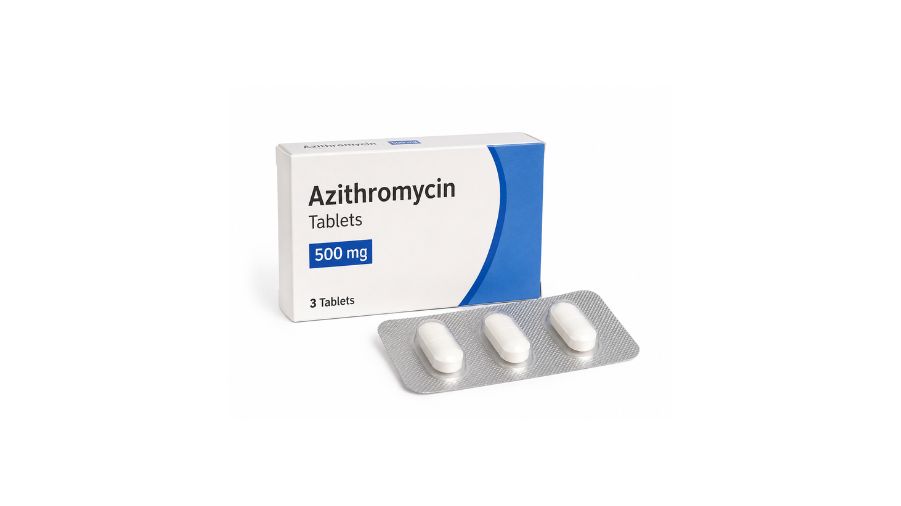
Azithromycin is a macrolide-class antibiotic that helps treat several bacterial infections. It works by stopping the bacteria that are causing the infection from producing proteins that they need to grow and multiply.
Moreover, many people ask why Azithromycin is given for 3 days only? It is because it remains active in your body for around 10 to 15 days after the last dose, helping fight the infection.
Every third-party pharma manufacturing company in India produces this medicine in two standard dosage strengths:
- Azithromycin Tablets IP 250 mg: Mild to moderate bacterial infections.
- Azithromycin Tablets IP 500 mg: Adult dosage, used for 3 to 5-day courses.
This medicine used to treat the following bacterial infections:
- Respiratory Tract Infections
- Sexually Transmitted Infections (STIs)
- Skin Infections
- Gastrointestinal Infections
It is important to note that medicine is not effective against certain types of infections. They include:
- Syphilis
- Gonorrhea
- Mycoplasma Genitalium
- E. coli and Salmonella
- Helicobacter pylori (H. pylori)
- Fungal Infections
- Standard UTIs
Note: Azithromycin 100 mg and 200 mg are dissolvable tablets used for paediatric patients, from infancy to 21 or younger. They are also produced under Azithromycin tablets manufacturing in India.
Things to Consider Before Taking Azithromycin

Taking medicines without considering allergies and certain underlying health conditions can lead to severe harmful reactions, including life-threatening allergic shock, heart rhythm abnormalities, and liver damage.
Therefore, make sure that you consider consulting with your doctor or healthcare professional.
The following conditions should not be overlooked:
- Heart Issues
- Liver or Kidney Problems
- Myasthenia Gravis
- Severe Diarrhea
Patients who are allergic to azithromycin, erythromycin, clarithromycin, or other macrolide antibiotics should not take this medicine. In addition, pregnant women who are planning to conceive or are breastfeeding are strictly advised to consult with their doctor before starting Azithromycin, due to risks and complications.
Best Time to Take Azithromycin

There is frequent confusion about best time to take Azithromycin in the morning, evening, or before sleeping. When? Well, there is no fixed time, but patients are recommended to take this medicine at the same time every day.
Here is when to take Azithromycin tablet:
- General Timing: Is recommended best time to take Azithromycin every day at the same time. This ensures that the medicine has a consistent concentration in your bloodstream, which is critical to prevent the bacteria from developing resistance to it.
- Food Consideration: This tablet can be taken with food and on an empty stomach as well. Also, it is recommended to take it with a meal if the patient is facing mild nausea, vomiting, or diarrhea.
Here is how to take Azithromycin before and after food:
- One hour before food
- Two hours after food
Common Side Effects of Azithromycin

This medicine can cause some short-term side effects, as it also interacts with your body functions, organs, and bacterial gut flora.
Here are some of the common side effects that you may experience:
- Diarrhea or loose stools
- Nausea or vomiting
- Abdominal or stomach pain
- Headaches
- Dizziness or fatigue
- Changes in taste
These common side effects are short-term and can be reduced with basic care and minor changes in medication timings. However, in some rare cases, Azithromycin can cause severe side effects, which further require quick medical attention.
Here are the times to seek medical attention:
- Severe Allergies: If the medicine causes any allergic reactions, like rash, hives, swelling in the face, lips, or tongue, difficulty in breathing or swallowing.
- Heart Issues: If you are experiencing arrhythmia, which refers to sudden changes in heartbeats. It can be irregular, too-fast, or too-slow; that is a signal to stop medication and seek medical help.
- Liver Problems: Keep checking your skin and eyes, urine color, and whether it has turned black, and severe pain in the upper right stomach; it may be a symptom of jaundice, which reflects that your liver is facing problems adjusting to the medicine.
- Severe Diarrhea: Experiencing severe cases of diarrhea, including watery or bloody diarrhea, is a sign to seek immediate medical help.
How to Reduce the Potential Side Effects of Azithromycin?

Here is how you can reduce the common side effects:
- Nausea and Stomach Pain
To reduce nausea and stomach issues, consider best time to take Azithromycin with meals. Also, if you are taking Azithral tablets 500 dosage per day, make sure you do not consume antacids containing aluminum or magnesium within 2 hours of taking it.
- Diarrhea
Keep drinking plenty of water throughout the day to reduce diarrhea. It is also recommended to eat yogurt with food or take probiotics or loperamide, only as per your doctor’s prescription.
- Headaches and Dizziness
Many patients have reported facing mild headaches or dizziness when they are on Azithromycin. In mild cases, they can consult their pharmacist and consider basic care. But if headache or dizziness persists, they must consult their doctor.
Conclusion
Azithromycin is an effective medicine that treats a wide array of bacterial infections, including respiratory, skin, and certain STIs. It is a macrolide antibiotic that fights bacteria by stopping their growth, providing relief within a few days. By understanding the side effects of Azithromycin when to take it before or after food, and how to reduce its side effects, you can improve your symptoms significantly.
Medella Softgel stands as a reputable pharma third party manufacturing company in India. As an ISO-certified manufacturer, we maintain compliance with WHO-GMP (Good Manufacturing Practice) guidelines to ensure quality, fair sourcing of raw materials, and regulated quality testing. Therefore, we assure you of safety and trust in our pharma manufacturing process.
Also Read: Hard & Soft Gelatin Capsules: Complete Guide to Benefits & Uses