
Third-Party vs Contract vs Pharma Manufacturing Loan License Explained
The main difference between a contract, a loan license, and third party pharma manufacturing lies in who owns the formulation, controls the production process, and holds the manufacturing license. These three are popular models in the pharmaceutical industry and are used by businesses to outsource their production.
Those planning to start a medicine business without setting up their own factory need to know about the loan license, contract, and third party pharma manufacturing. These models make it easy for a business owner to run a pharma business, as it allows them to outsource their production and avoid the expensive investment of building a factory.
Whether you choose third-party manufacturing or contract pharma manufacturing, you get to focus completely on marketing strategies and sell products under your brand name. Read on to know key details of these models to make the right choice.
Third-Party Pharma Manufacturing: How It Works
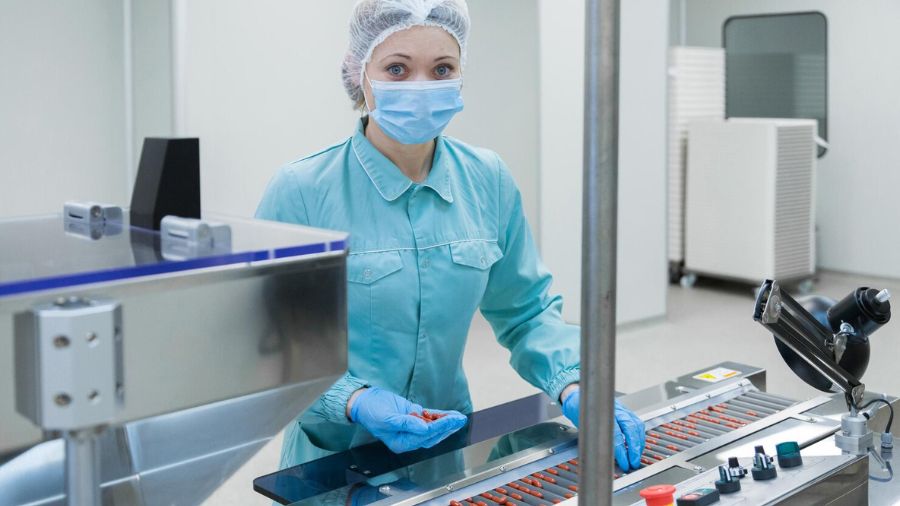
In the process of third party pharma manufacturing, a company hires a special manufacturer to outsource the complete production of its products. This means the manufacturer handles everything from sourcing raw materials to final packaging.
The manufacturer delivers ready-to-sell products, so its clients can fully focus on core areas like marketing and sales. This model is best for small companies that want to sell medicines under their name without spending money on building their own factories.
| Advantages | Disadvantages |
| Huge Cost Savings: Avoids expensive setup, machinery, and daily factory operational costs. | Lower Process Control: Limited oversight over daily factory production steps. |
| Lower Capital Risk: Remove the need for massive upfront investments needed for building a factory. | Quality & Safety Risks: Higher risks of product defects or compliance issues. |
| 100% Marketing Focus: Companies can fully focus on sales and distribution. | Supply Dependence: Relying completely on the third party pharma manufacturing companies for timely delivery. |
| High Scalability: Quickly scale production up or down based on market demand. | Formula & IP Risks: Sharing your proprietary product details with an outside partner. |
To avoid the risks related to this popular business model, it is best to partner with a trusted third party pharma manufacturing company in India. Before choosing your manufacturing partner, you must confirm that they have the required license and a good record of offering excellent services.



What Is the Process of Third Party Pharma Manufacturing?
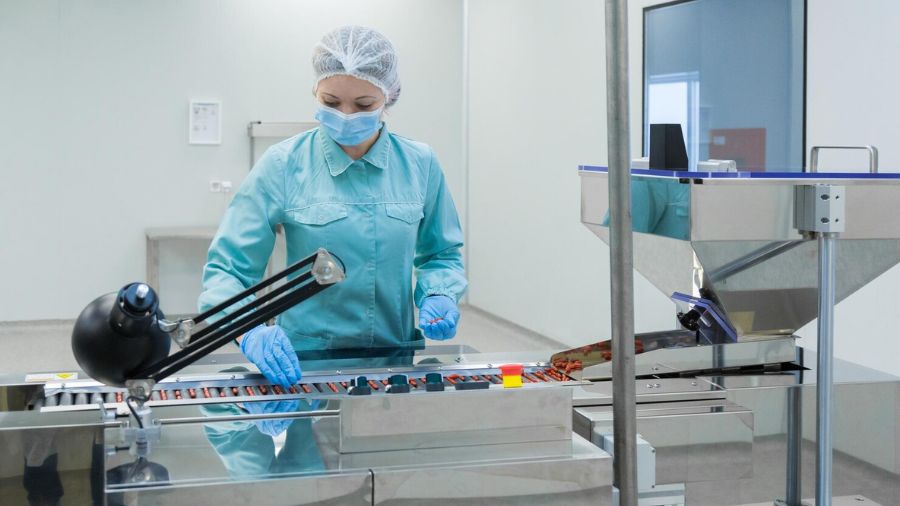
Services offered by a third party pharma manufacturing company in India are generally used by companies to outsource the production of OTC, generic, and some branded medicines.
These manufacturers generally have large and advanced facilities, as they serve multiple clients at the same time.
- Firstly, the company with a standard or generic formulation connects with a third party pharma manufacturing company in India. They share details about the design, specifications, quantity, and other information with the manufacturer.
- The manufacturer handles all the steps, from sourcing raw materials to quality checks and final packaging. Third-party manufacturers usually produce products in bulk and pack them under their client’s brand name.
- The labeling of the products shows the details about the company marketing them (pharma company) and the company that has produced them (third-party pharma manufacturer).
Understanding Contract Pharma Manufacturing

In the process of contract pharma manufacturing, a company signs an agreement with a contract manufacturer (CMO). CMO takes the responsibility to produce tablets, syrups, capsules, injections, and other products for its clients.
CMO produces medicines and pharma products based on the formulation, quality standards, and specifications shared by their clients. In a third-party setup, a brand simply buys a standard formula or generic formulation. In contract manufacturing in pharmaceutical industry, CMOs use your formulas and fixed legal guidelines.
| Advantages | Disadvantages |
| Focus on Core Business: Saves time to focus 100% on drug research, development, and brand marketing | Loss of Operational Control: No direct oversight of the daily factory floor operations. |
| Capital Efficiency: Avoids massive upfront investments in high-tech machinery and factories. | Quality & Standards Risks: A major risk if the manufacturer fails to meet strict compliance rules. |
| High Production Scalability: Easily increase or decrease batch sizes based on shifting market demand. | Formula & IP Risks: High risk of exposing your proprietary drug formulas to outside teams. |
| Access to Specialized Experts: Get access to experts with special factory skills for complex drug delivery systems. | High Order Requirements: CMOs often demand large minimum orders to start custom production lines. |
What Is the Process of Contract Pharma Manufacturing?
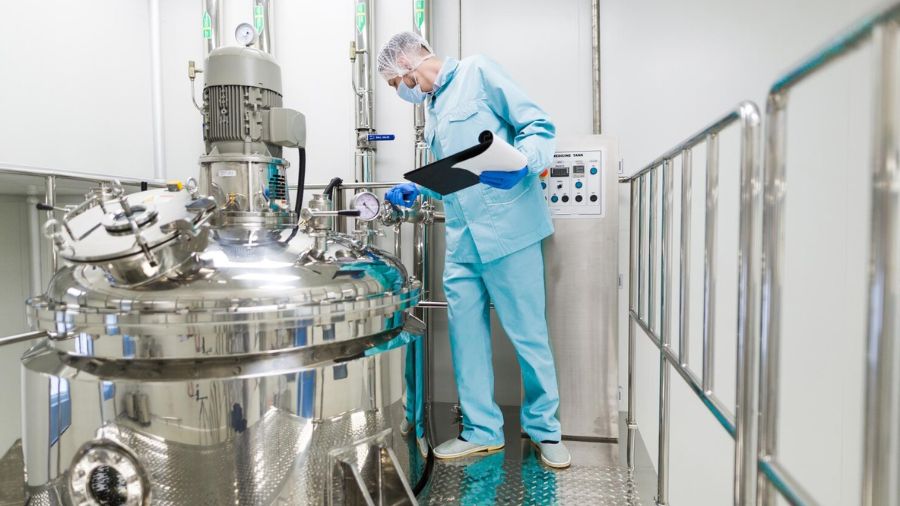
Contract pharma manufacturing is generally favored by large companies that want complete control over their proprietary products and specific raw materials sourcing. This setup helps companies to lower their operational costs and meet regulatory conditions without building new facilities.
- Pharma companies have to share specific formulas and provide raw and packaging materials. The only responsibility of contract manufacturers is to produce the required products.
- They are contracted only for labor and infrastructure to produce the finished products. Contract manufacturers offer highly customisable services, and they ensure the production meets their clients’ unique requirements.
- Contract manufacturers offer labeling services that clearly show that the product is manufactured exclusively for the hiring pharma company. They must manufacture products under their clients’ guidelines while complying with GMP and local rules.
Understanding Pharma Manufacturing Loan License

Unlike the two models we discussed above, in the pharma manufacturing loan license, the marketing company itself handles the production. The marketing company doesn’t own its own private manufacturing plant, but the company wants to handle the process by itself. So, instead of outsourcing the entire process, the marketing company (licensee) connects with a manufacturing company (licensor) to use their machinery and facility.
This means a company with a pharma loan license in India is allowed to use a licensed manufacturer’s facility’s infrastructure to legally produce and sell medicines without needing its own factory. This helps the marketing company to maintain direct control over production while avoiding building a factory setup. Required rent, profit, or commission must be paid to the manufacturer by the marketing company for using its manufacturing facility.
| Advantages | Disadvantages |
| Licensor – Zero-Production Income: Earns steady royalties and fees without dealing with factory operations. | Licensor – Quality Risks: Limited control over how the licensee actually manufactures the drug. |
| Licensor – Low-Risk Expansion: Generates money from existing facilities without investing in new plants. | Licensor – IP Infringement: High risk of formula misuse if the licensee breaks contract terms. |
| Licensee – Super Fast Entry: Launches products into new markets instantly without starting from zero. | Licensee – High Dependability: Completely depends on the licensor’s support to keep operations running. |
| Licensee – R&D Cost Savings: Get access to advanced, proven drug technology without expensive research. | Licensee – Heavy Profit Sharing: Must pay ongoing fees, reducing long-term per-unit profit margins. |
What Is the Process of Pharma Manufacturing Loan License?
When you secure a pharma loan license in India, you get the permission to use another manufacturer’s facility to produce your own products. This means the marketing company applies to the state drug department, using the original manufacturer’s setup, to secure the official loan license directly from the government.
- Firstly, the marketing company connects with a licensed manufacturing company to make their products. The manufacturer provides consent to use its facility, and then the marketing company secures a pharma loan license in India from the drug department.
- The parent manufacturing company provides the infrastructure and technical workers, while your company or designated personnel monitors the production process. The marketing company purchases its own raw and packaging materials and ships them to the partner factory for production.
- Pharma manufacturing loan license allows the marketing company to produce its own custom or proprietary products. Unlike third-party or contract manufacturing, the pharma brand in a loan license arrangement uses labeling that shows their company as both marketer and the manufacturer, with details of the manufacturing address of the rented facility.
Third-Party vs. Contract vs. Pharma Manufacturing Loan License
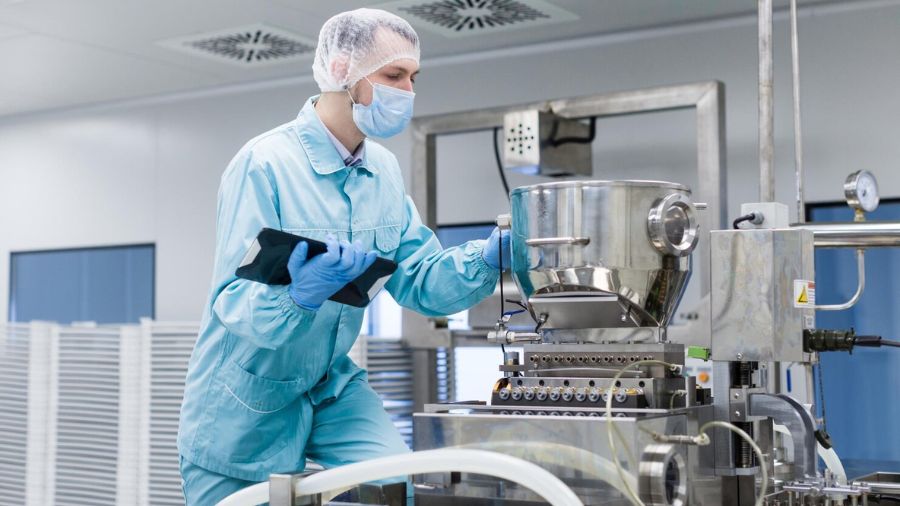
These three manufacturing setups are very important for the pharma industry. Contract manufacturers help pharma companies benefit from their expertise and lower operational costs while maintaining better control over production. Third party pharma manufacturing companies offer an easier way to scale production without any need to invest in factory setup. So, a third-party setup is highly useful for those who want to sell generic medicines. Loan licensing setup helps companies to use the approved facility of another company.
| Feature | Third-Party Manufacturing | Contract Manufacturing | Loan License Manufacturing |
| Primary Benefit | Best for generic medicines; zero factory investment. | Accesses manufacturer expertise; lowers operational costs. | Use another company’s approved facility with high control. |
| Formulation Ownership | Usually belongs to the manufacturer. | Usually belongs to the marketing company. | Belongs entirely to the marketing company. |
| Manufacturing License | Held completely by the manufacturer. | Held completely by the manufacturer. | Issued solely to the marketing company. |
| Order Volume & Scale | Flexible, small-to-medium batches. | Large, long-term, high-volume. | Large, consistent, continuous production. |
| Raw Material Sourcing | Managed by the manufacturer. | Mutually or supplied by a marketing firm. | Sourced or approved by the license holder. |
| Regulatory Risk | Shared; manufacturer handles site compliance. | Shared; strict to the client’s compliance. | Highest for the marketing firm; they legally own the product batch. |
Choose Medella Softgel for Your Pharma Manufacturing Success
Choosing the right manufacturing model depends on your company’s size, the resources you have, and your growth plans. While working with a third party pharma manufacturing company in India allows you to produce high-quality products under your brand name in the most cost-effective way, contract manufacturers help with custom formulations and packaging.
Pharma manufacturing loan license is best for companies that don’t have their own facility but own patented formulas. Whether you choose third-party, contract manufacturing, or a loan license setup, all these models help you reduce your operational expenses. You can connect with a trusted service provider to confirm which model is the best option based on your needs.
Connect with Medella Softgel to get high-quality third-party and contract manufacturing services customized to your business needs. From complex formulations to premium packaging, our certified facilities promise the best solutions for your requirements. Trust our expert team to handle your pharma production process, so your internal team can completely focus on sales and growth.
Also Read: WHO-GMP Third Party Pharma Manufacturing in Baddi, Himachal Pradesh