

Dicyclomine Tablets Uses, Dosage & Side Effects – Complete Guide
Dicyclomine is an antispasmodic medication utilized to treat functional bowel/irritable bowel syndrome by relaxing stomach and intestinal muscles. It is taken orally to handle abdominal cramps. Typical side effects comprise dry mouth, dizziness, blurred vision, and nausea.
One of the many daily troubles people encounter is the occurrence of either sudden stomach cramps or ongoing symptoms related to Irritable Bowel Syndrome (IBS). Dicyclomine Tablets have been a go-to antispasmodic medication for physicians since they became readily available through pharmaceutical companies. This informative handbook will explain what Dicyclomine is, how it works, and how it will be produced in 2026.
What are Dicyclomine Tablets?
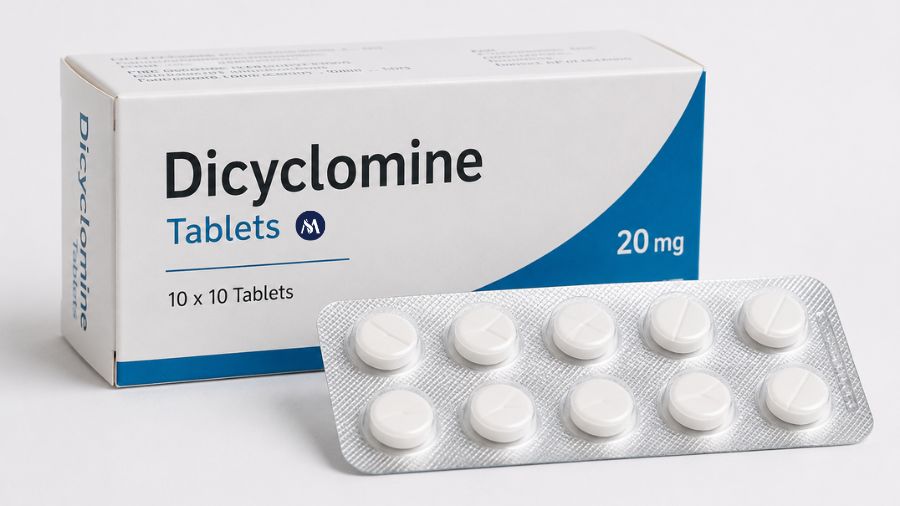
Dicyclomine Tablets (commonly referred to as Dicyclomine Hydrochloride Tablet or Dicyclomine HCl Tablets) are classified as antispasmodic tablets.
Antispasmodics have been and will continue to be considered the “gold standard” in the treatment of patients with functional bowel disorders from now through 2026. Dicyclomine Hydrochloride Tablets work by blocking an important substance that arises naturally in the body (acetylcholine) from causing tightness and spasms in the smooth muscle of your intestine. By relaxing these muscles, the medication provides quick pain and bloating relief.
Common Uses of Dicyclomine Tablets

This medicine primarily treats symptoms associated with Irritable Bowel Syndrome (IBS), but is often prescribed for other medical conditions such as –
1. Stomach Cramps – To relieve sudden or dramatic pain that occurs in the stomach area.
2. Intestinal Spasms – To reduce involuntary contractions of muscles in the digestive tract.
3. Bowel Irritation – To relax the digestive tract during flare-ups.



Dosage and Administration
Dicyclomine dosage amounts vary based on both how much of a benefit you derive from taking Dicyclomine compared to the severity of your IBS, but Dicyclomine generally comes in at least two different dosages –
| Strength | Common Usage |
| Dicyclomine Tablets IP 10 mg | Often used as a starting dose or for milder symptoms. |
| Dicyclomine Tablet 20 mg | The standard adult dose, typically taken four times a day. |
How to take it –
1. Timing – The tablet should be taken thirty to sixty minutes before eating in order to achieve the best possible outcome.
2. Consistency – It is important to try to take your prescribed medication at the same time each day in order to keep a steady concentration of that medication in your body.
3. Medical Advice – You should not take more of the medication without first consulting your physician. If, after two weeks of taking eighty milligrams per day, you see no improvement, your doctor may recommend another course of treatment.
Potential Side Effects
Antispasmodic tablets, such as dicyclomine, are effective in terms of providing relaxation of the digestive tract, but they work through your nerves to produce that relaxation. The blocking of a neurotransmitter called acetylcholine (which has effects in many areas of the body) may create anticholinergic side effects while your body is adjusting to this medication.
Here is a longer list of the most common and serious adverse effects to follow up on –
1. Common Side Effects
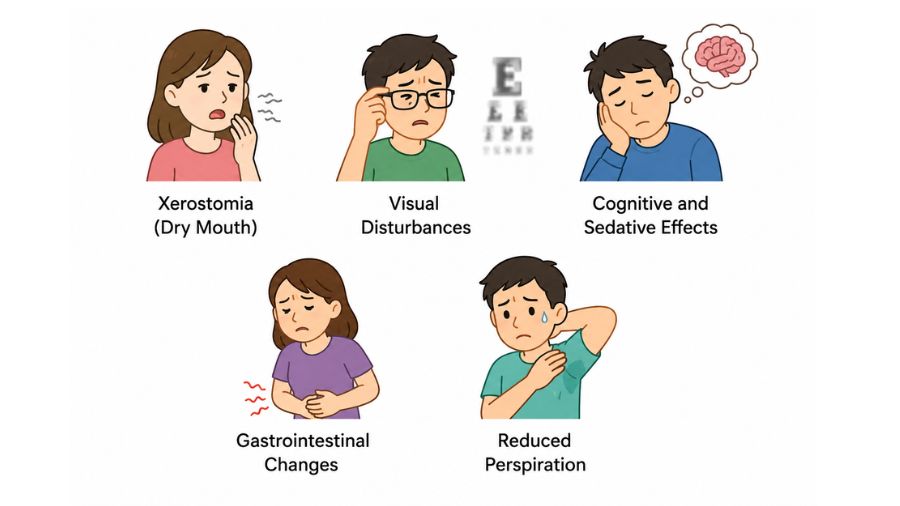
In most cases, these symptoms are mild and subside as your body adapts to the treatment.
- Xerostomia (Dry Mouth) – Dry mouth (xerostomia) is a commonly voiced complaint amongst patients. Dry mouth develops as a result of dicyclomine, causing a decrease in the production of saliva. One possible solution is to regularly sip on water; other options include sucking on crushed ice or sucking on sugar-free hard candy.
- Visual Disturbances – Additionally, blurred and/or temporarily impaired vision occurs from dicyclomine, affecting the muscles in your eyes that control the focus of your lenses (optics). With that in mind, call your doctor immediately if you experience sudden increases in eye pressure or pain.
- Cognitive and Sedative Effects – Another potential side effect includes cognitive and/or sedative effects such as feelings of drowsiness, lethargy, and/or fatigue. Dicyclomine may cross the blood-brain barrier in certain individuals, thus causing dizziness/light-headedness, especially when standing quickly from a seated position.
- Gastrointestinal Changes – Even though dicyclomine helps to relieve spasms, it may also cause nausea or constipation (due to dicyclomine slowing the overall movement through the digestive system).
- Reduced Perspiration – Many users report a decreased ability to sweat as a result of using Dicyclomine. With the hot, humid climates experienced in areas like India and the U.A.E., excessive physical exertion without the ability to perspire can place users at risk for overheating and/or heat stroke.
2. Serious Side Effects (Seek Medical Help)
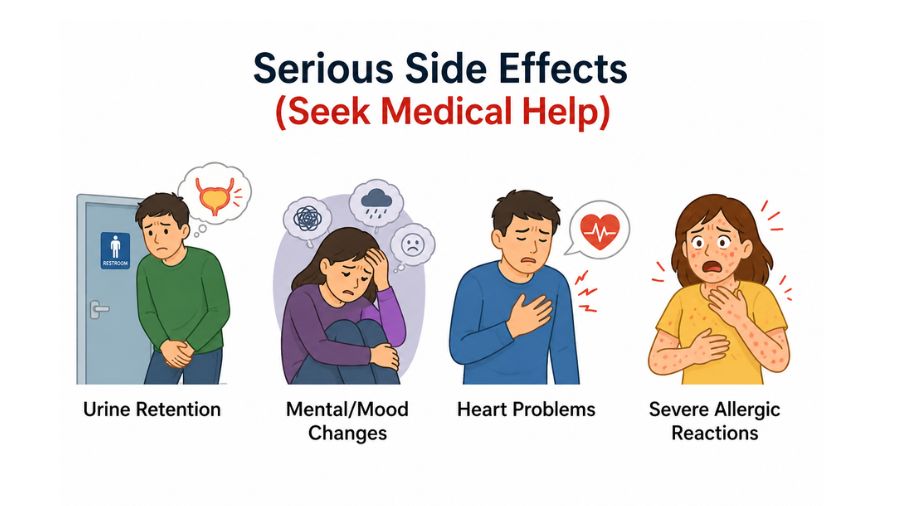
Even rare reactions may lead to urgent needs for medical professionals –
- Urine Retention – Difficulty urinating and/or unable to completely empty bladder.
- Mental/Mood Changes – Confused, hallucinating, or a change in behavior (rarely found in older persons).
- Heart Problems – Heart thumping fast or abnormally (called Tachycardia).
- Severe Allergic Reactions – Looking for continuous rash, swelling (particularly on face, tongue, and/or throat), feeling lightheaded, and being unable to breathe.
Important Note about Safety – You should not drink alcohol while taking dicyclomine hydrochloride tablets because alcohol will increase the sedative effects, make you more sleepy, and put you at a greater risk of falling.
The Manufacturing Perspective – How Dicyclomine is Made

The tablet manufacturing process consists of several steps. Here are the steps of manufacturing a Dicyclomine Hydrochloride tablet –
The Tablet Manufacturing Process –
1. Granulation – The process starts with mixing Dicyclomine Hydrochloride Tablet (an active pharmaceutical ingredient) with other chemicals called excipients (filler substances) to create a mixture that has a consistent composition.
2. Compression – After combining the two materials into one uniform blend, the next step is to turn it into a solid dosage form – this is accomplished through compression (pressing the powder into tablet form).
3. Coating – Finally, the tablets are coated with a “coat” to protect the drug and ease swallowing.
4. Quality Control – Before being packaged for distribution, they undergo a series of quality control checks to confirm that they have appropriate levels of their active component and will dissolve at appropriate times within the body.
Precautions and Interactions
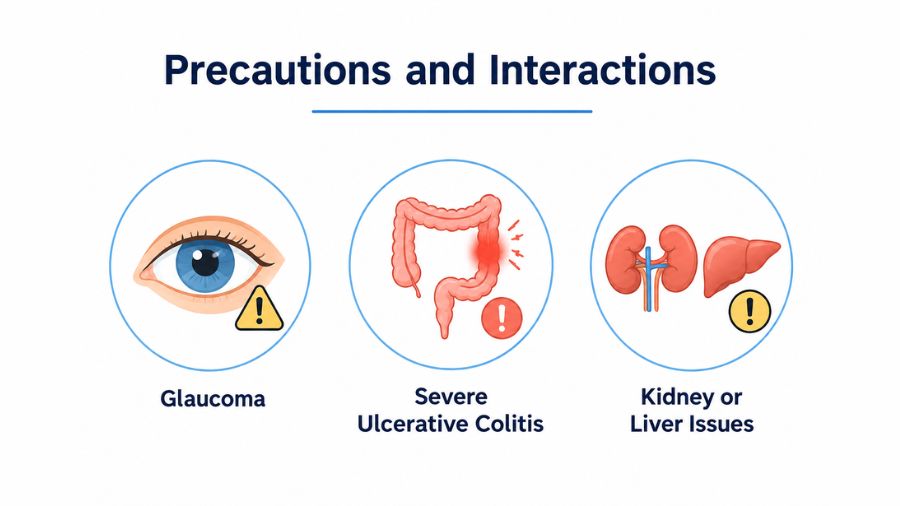
Before beginning Dicyclomine, notify your doctor if you have –
- Glaucoma – This medicine can improve eye pressure.
- Severe Ulcerative Colitis – It can slow down digestion in these cases.
- Kidney or Liver Issues – If you have kidney or liver problems, you may need a smaller dose.
Conclusion
Dicyclomine Tablets are a potent weapon in your fight against digestive distress. Are you on a Dicyclomine Tablet 20 mg a day for IBS or a lower dose for the occasional cramp? Knowing the medicine is the first step to feeling better.
Third Party Pharma Manufacturing Companies in 2026 will make sure that these essential medicines are widely available and high in quality for businesses around the world. with Medella Softgel playing a key role in delivering trusted pharmaceutical manufacturing solutions.
Also Read: Private Label Pharma Manufacturing – Benefits, Process & Cost