
Private Label Pharma Manufacturing – Benefits, Process & Cost
Private label pharma manufacturing is a strategy where manufacturers make medicines, supplements, or healthcare products that are then branded and marketed by another corporation. It permits companies to enter the market rapidly, decrease overhead expenses, and enhance profit margins by selling products under their own brand. The procedure generally includes choosing pre-formulated items, branding, and manufacturing under WHO-GMP adherence.
The pharmaceutical industry in India is currently in its most exciting stage. In 2026, India will continue to be the Pharmacy of the World, and for a number of business owners, the easiest method to enter this market is through private label pharma manufacturing in India.
Whether you’re a startup owner seeking to start your first brand of supplements or a setup company wanting to grow your product line, comprehending how contract manufacturing in pharmaceutical industry works is key to your success.
What is Private Label Pharma Manufacturing in India?
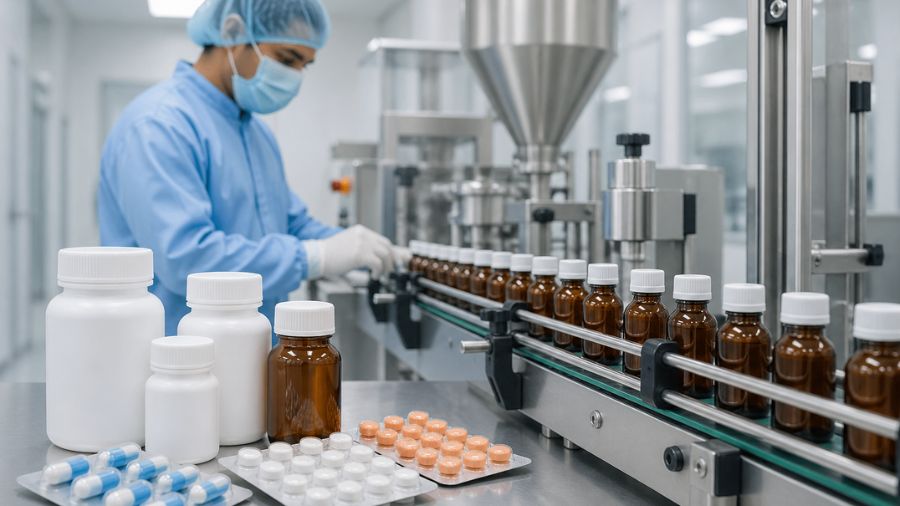
Private label pharma manufacturing is when one company makes a product, and another corporation sells it under its own brand name.
For instance, if you want to sell top-quality softgel capsules, you do not have to construct a factory. You can connect with a third party pharmaceutical manufacturer, like Medella Softgel, who will make a medicine, package it with your logo, and provide you, and then you pay attention to marketing and sales.



Key Benefits of Choosing a Private Label Pharma Manufacturing Company in India
India is home to thousands of third party pharma manufacturing companies that deliver top-class quality at reasonable costs.
Here is why companies prefer this model –
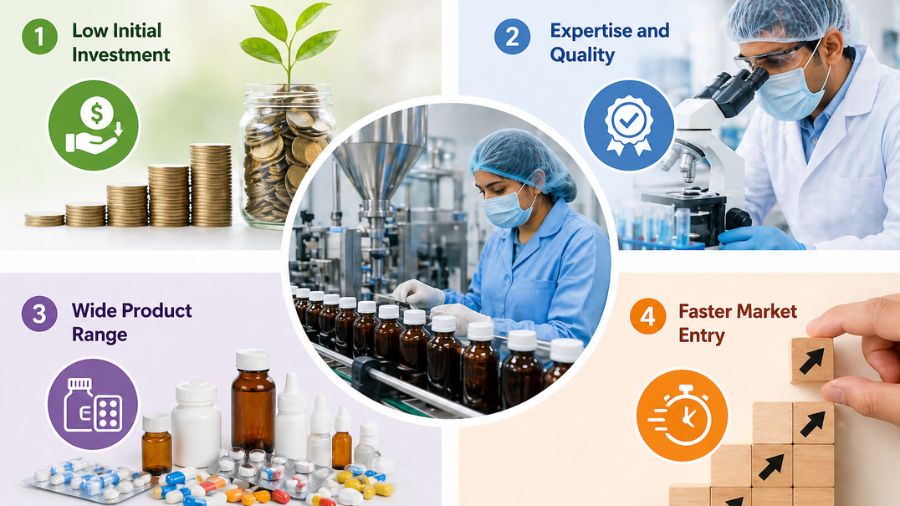
1. Low Initial Investment – You do not have to spend crores of rupees on land, machinery, or labor. You only pay for the items you order.
2. Expertise and Quality – Established manufacturers, such as Medella Softgel, are usually WHO-GMP and ISO certified. This makes sure your products fulfill global protection standards.
3. Wide Product Range – You can start everything from tablets and syrups to specialized softgels without needing individual factories for each.
4. Faster Market Entry – Constructing a factory takes years. With a third party pharma manufacturing company in India, you can have your product prepared for sale in only certain weeks.
The Step-by-Step Private Label Pharma Manufacturing Process
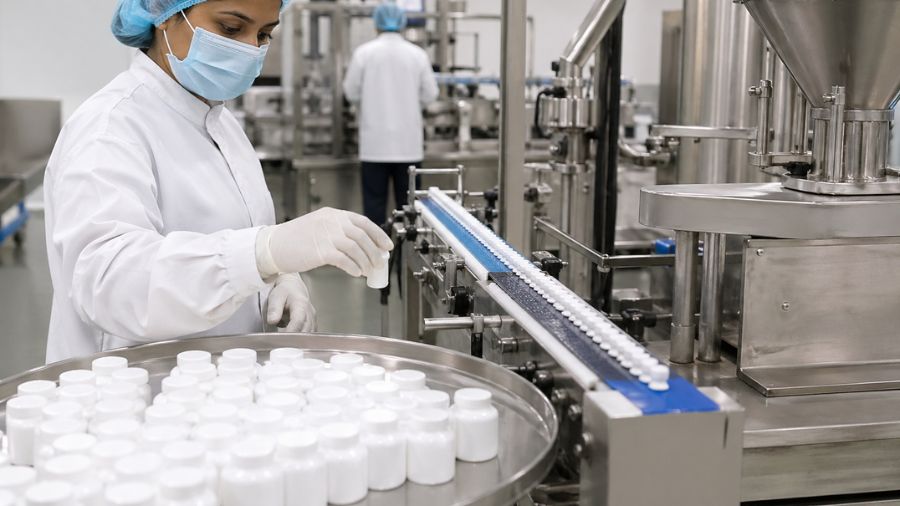
Working with private label manufacturers in India follows a very organized way.
Here is how it typically goes –
1. Product Selection and Quotation – First, you decide which medicines or supplements you wish to sell. You share this list with your manufacturing partner. They will provide you with a quotation, which is a paper presenting the price per unit, minimum order quantities, and delivery deadlines.
2. Documentation and Compliance – To sell medicine, you should have a registered business and a wholesale drug license. You will also require a GST registration. You deliver these documents to the manufacturer to make sure everything is legal.
3. Brand Name and Packaging Design – You select a different brand name for your product. It is extremely recommended to register a trademark so no one else can utilize it. You then work with the manufacturer’s design team to make the artwork for the boxes and strips.
4. Production and Quality Testing – Once the designs are sanctioned, the manufacturer begins the actual production. Companies, such as Medella Softgel, utilize modern machinery to confirm every tablet or capsule is ideal. After production, the batch goes through stringent quality control tests to make sure it is secure and useful.
5. Packaging and Dispatch – The finished items are packed into your branded boxes and shipped to your warehouse. The first order typically takes about 35 to 45 days, while repeat orders are much quicker, typically around 20 to 30 days.
Understanding the Cost of Private Label Pharma Manufacturing in India 2026
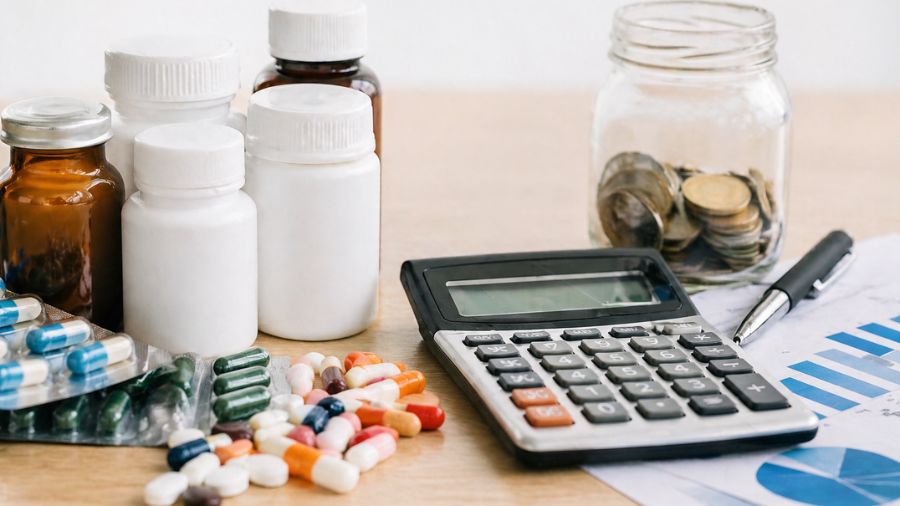
One of the most typical questions is how much it costs. While costs differ depending on the product, here is a typical breakdown of the expenses for a third party pharmaceutical manufacturer formation –
| Expense Type | Estimated Cost (INR) |
| Initial Stock (5-10 Products) | ₹2,00,000 to ₹5,00,000 |
| Wholesale Drug License | ₹3,000 to ₹5,000 |
| Trademark Registration | ₹4,000 to ₹10,000 (per brand) |
| GST Registration | Usually Free (Consultant fees may apply) |
| Batch Production | Depends on Volume (e.g., 30,000 tablets can cost ₹60,000 – ₹95,000) |
Most third party pharma manufacturing companies have a Minimum Order Quantity. For tablets, this is typically 30,000 units, and for liquids/syrups, it is usually around 500 to 1,000 bottles.
Essential Quality Standards in Private Label Pharma Manufacturing
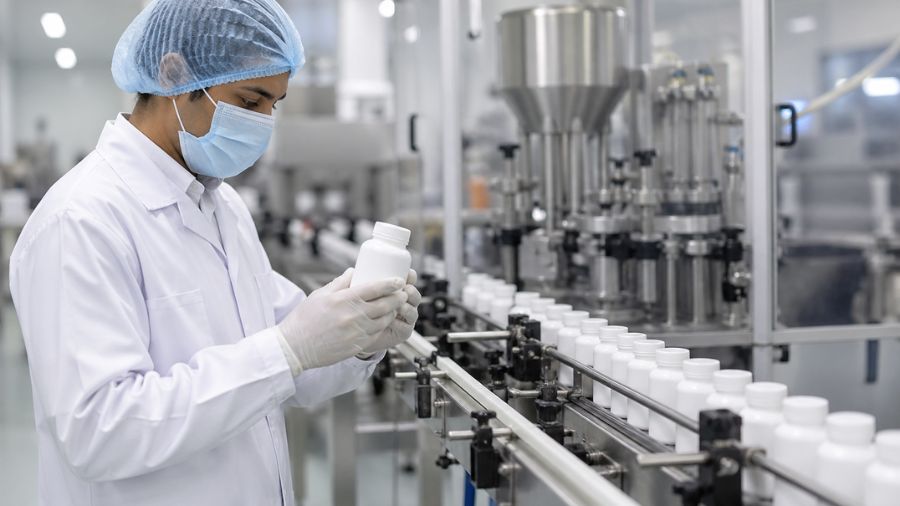
Quality is an essential part of the pharmaceutical industry. It’s not a matter of choice but of obligation both legally and ethically. When you select a third party for manufacturing your pharmaceuticals, you put your brand’s reputation and your customers’ well-being in their hands.
With global standards that dictate how medications should be produced becoming increasingly stringent by 2026, it’s crucial for you to be aware of what certifications (if any) your partner has.
If you select a Third Party Pharma Manufacturing Company in India that emphasizes producing quality pharmaceuticals, you can be assured that your medications will be produced in a safe, pure, and effective manner.
The following are the key certifications you should be looking for −
1. WHO-GMP Compliance − The World Health Organisation’s Good Manufacturing Practices are the “Gold Standard”. The WHO standards guarantee that a company produces and maintains its products in accordance with strict Quality Assurance standards, minimising the risks associated with pharmaceutical manufacturing.
2. ISO Certification − This is an indication that a manufacturer has a formalised, standardised quality management system in place to ensure that their operations consistently adhere to the most stringent requirements for producing pharmaceuticals. It demonstrates that there is a commitment to continual improvement and customer satisfaction.
3. GLP (Good Laboratory Practices) − Quality encompasses much more than machines; it also includes testing. GLP ensures that your tablets or softgels are tested for integrity and accuracy.
4. Stability Testing − A reputable contract pharmaceutical manufacturer should carry out stability assays. These will identify whether your drug will remain potent through its entire shelf-life, including during India’s different climate zones.
5. Advanced Analytical Equipment − Use of sophisticated analytical instruments (such as high-performance liquid chromatography (HPLC) or other comparable means) allows the manufacturer to accurately determine the quantity of active ingredients and their purity in each lot.
A strong commitment to these processes by the manufacturer will protect your company from product recalls and develop a strong, long-term relationship with healthcare professionals and customers. Quality will always be the best marketing strategy.
Conclusion
In 2026, one of the best business moves you can make is to start your own brand with Private Label Pharma Manufacturing in India. You can launch high-quality products without the huge costs of a factory by using Contract Manufacturing in Pharmaceutical Industry.
Your choice of a Third Party Pharmaceutical Manufacturer will determine how people see your brand, whether you’re starting small with three products or planning a big launch. Pick a partner who is reliable, high-quality, and who will grow with you.
Also Read: Best Acyclovir Tablets Manufacturers in India – Trusted & Affordable