
Pharmacovigilance Basics for Pharma Companies in India In 2026
Pharmacovigilance (PV) is a practice to keep medicines safe by detecting, assessing, understanding, and preventing possible side effects. For Indian pharma companies, maintaining a strong PV system is a mandatory requirement. The main goal is to make sure the benefits of a medicine are greater than its possible risks.
Pharmacovigilance in India is how pharma companies track medicine safety and side effects of medicines after they are sold and people start using them. Pharma businesses must follow these rules to keep patients safe and maintain legal compliance. Medicine manufacturing companies must collect data, check risks, and report problems to the authorities. Read on to learn the core responsibilities for pharma companies, processes, and more.
What Is Pharmacovigilance?
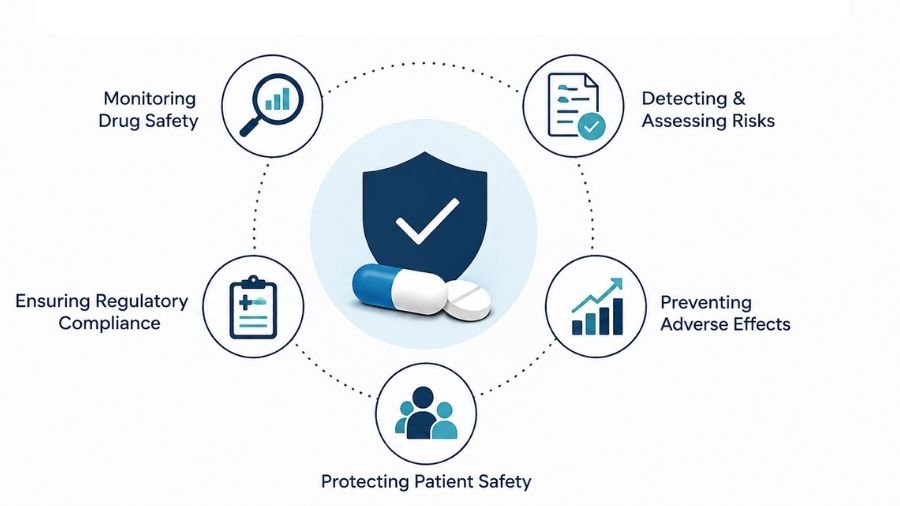
Pharmacovigilance is also known as drug safety. If you are looking for the pharmacovigilance definition, you can explain it as the process of tracking, studying, and stopping bad side effects from medicines. This makes sure medicines and vaccines remain safe for the public. This practice keeps medicines safe by studying any side effects after people start using them.
Why Is Pharmacovigilance Important for Pharma Companies?
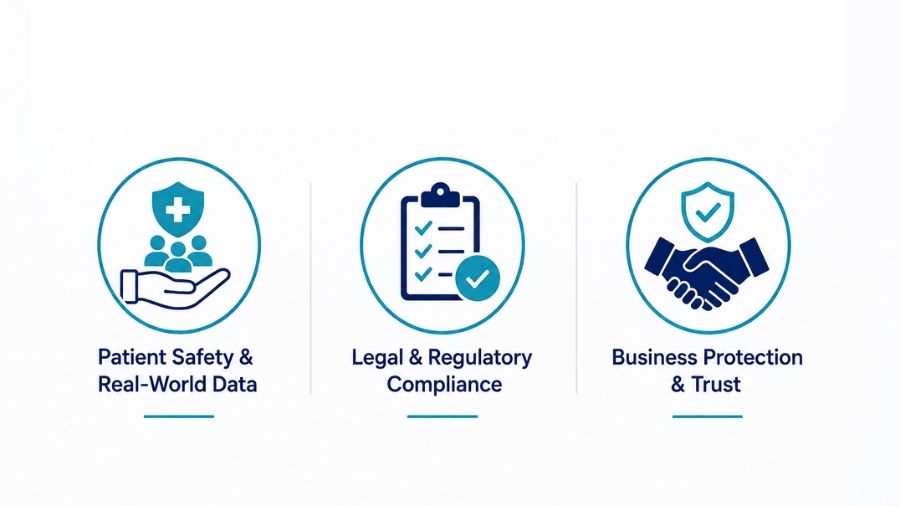
Pharmacovigilance is the continuous monitoring and tracking of medicines after they are sold to the public. This helps pharma companies find hidden side effects, follow strict government rules, and keep everyone safe by watching how drugs work.
- Patient Safety & Real-World Data: Continuous tracking helps to find rare and unexpected side effects that don’t show up during the initial testing. Information collected from everyday users ensures better care and protects everyone from unexpected harmful side effects.
- Legal & Regulatory Compliance: Pharma businesses must follow government safety rules to keep their licneses active and avoid heavy fines or product bans. Following pharmacovigilance guidelines in India proves that their marketed products are safe for public use.
- Business Protection & Trust: Checking drug safety will always keep your company protected from costly lawsuits. By maintaining transparent safety reports, you can show customers your customers you care about their safety, and they can trust your products.



Who Regulates Pharmacovigilance in India?
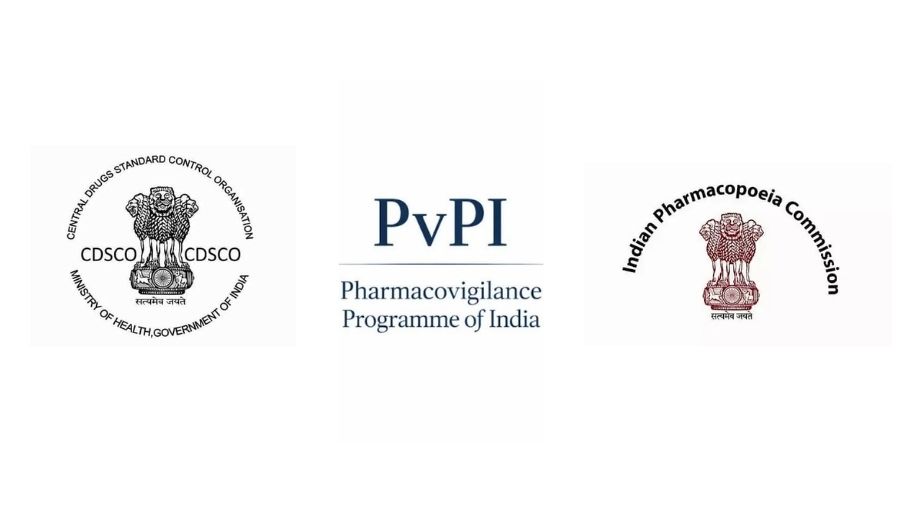
Pharmacovigilance in pharma in our country is managed by CDSCO, IPC, and PvPI. These three national bodies work together to monitor, evaluate, and regulate drug safety. They collect information on medicine side effects and protect public health.
1. Central Drugs Standard Control Organization (CDSCO)
CDSCO is the main body that makes rules for medicine safety in India. It takes final legal actions like banning unsafe medicines and approving new treatments based on the reports collected from safety monitoring networks across the country.
2. Pharmacovigilance Programme of India (PvPI)
It is the official national program that collects and studies reports of side effects and harmful reactions caused by medicines. It collects safety data from hospitals and doctors acorss the country to protect public health and ensure the drugs remain safe for everyone.
3. Indian Pharmacopoeia Commission (IPC)
IPC creates quality standards for all medicines sold in India. It gathers adverse event reports from centers all over the country and manages them for public health. It helps authorities decide if any medicine needs a safety change.
How Pharmacovigilance Process Works in India
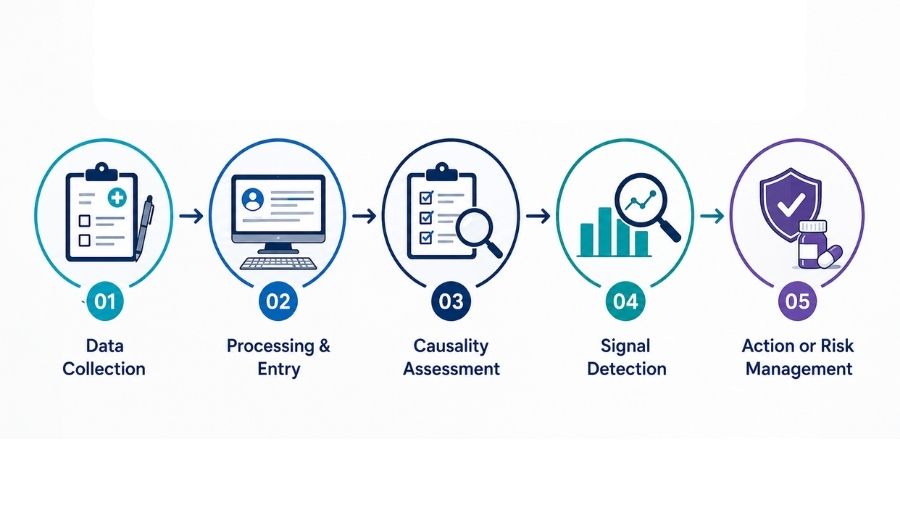
The pharmacovigilance process in India involves collecting reports on side effects, studying the risks, and taking actions to keep patients safe.
The following steps will help you understand this process:
- Data Collection: Doctors, nurses, patients, and medicine manufacturing companies in India report any adverse effects from medicines. They send these reports to safety centers. They use paper forms, official apps, or directly use the helplines. This step involves collecting proof about how drugs affect people after they start using them in daily life.
- Processing & Entry: Staff check if the incoming safety reports have clear and true facts, like the patient’s name, the drug used, and teh bad reaction. Once confirmed, these details are entered in a secure computer database using standard medical terms. Organizing the data helps experts review the medical events without missing important clues.
- Causality Assessment: Safety experts, trained doctors, and scientists study the data to see if the medicine actually caused the bad reaction. They check the patient’s health history to look at when the drug was taken, when the problem started, and whether the patient took other drugs at the same time. This helps them confirm if the patient’s illness, the medicine, or other drugs caused the problem.
- Signal Detection: Computers and experts look at thousands of reports together to find new or hidden safety signals. They search for warning signals that show a medicine can cause unexpected harm. If many people have the same side effects, it is flagged as a new signal or warning sign. Finding these helps safety teams stop danger before it affects many more people.
- Action or Risk Management: Government authorities and experts decide how to fix the safety problem once a risk is confirmed. They may change medicine warning labels, send warnings to doctors, ban unsafe drugs completely, or take other necessary steps. These choices protect the public and make sure medicines used in hospitals and homes stay safe and effective.
Key Pharmacovigilance Guidelines in India for Pharma Companies
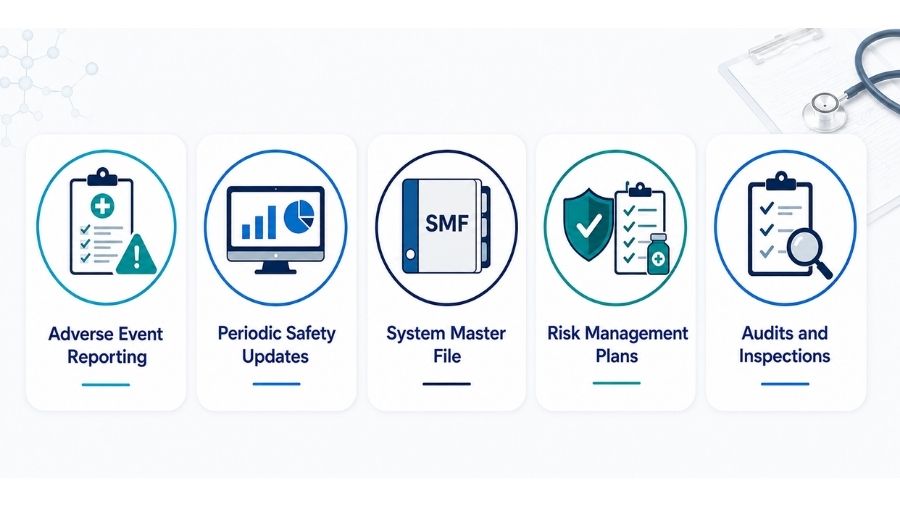
As we discussed above, drug safety in India is regulated by CDSCO and PvPI, and they ensure medicines remain safe for public use. Pharma companies must follow clear pharmacovigilance guidelines in India to track and report side effects.
1. Adverse Event Reporting
Medicine manufacturing companies in India must collect and report all adverse effects from medicines. Serious or life-threatening problems must be reported within 15 days. However, they can report non-serious reactions to authorities within 30 days. This helps the authorities track hidden or rare risks quickly and ensure public health safety.
2. Periodic Safety Updates
Drug makers must submit regular safety review reports known as PSURs. Pharma companies must make a detailed safety summary document for new drugs. These evaluate whether a medicine still has more benefits than its side effects. The schedule depends on when the drug was first approved and launched in the market. These help companies prove that the medicine is still safe to sell.
3. System Master File
Every pharma company in India must keep an organized document called the Pharmacovigilance System Master File. This file describes how the company monitors safety, who is in charge, and where data goes. It is very important to keep this file for official checks to avoid legal issues and costly fines.
4. Risk Management Plans
Medicine manufacturing companies in India must write a special strategy to manage known or potential safety issues for risky products. This plan shows how the company plans to minimize harm, prevent errors, and update the government if new danger signs appear.
5. Audits and Inspections
Regulatory bodies may perform routine checks and audits on company safety systems. Pharma companies must prove their staff is trained and records are accurate. They also have to ensure that their reporting process follows local laws to avoid costly penalties. So, every pharma company must hire a qualified medicine safety team to monitor drug safety and oversee all reports.
How Medella Softgel Provides Pharmacovigilance Support
Get expert pharmacovigilance support from Medella Softgel with custom third-party pharma manufacturing solutions. We help pharma companies manage their safety tracking, paperwork, and government reporting. We provide baseline support, including collecting initial side effect complaints, information forwarding, and document support.
As a top-rated third-party pharma manufacturing company in India, we help medicine brands focus entirely on growing their business and maintaining patient safety. We make sure the products we manufacture for clients meet the required quality and safety standards. Connect with the Medella team to know more about our third-party manufacturing services and pharmacovigilance support.
Read Blog: Pharma Manufacturing Profit Margin in India: Complete Guide (2026)