
Pharma Manufacturing Profit Margin in India: Complete Guide (2026)
Pharma manufacturing profit margin in India varies by business model, product formulation, and market segment. Generic and contract manufacturers retain 10% to 20%, research-based manufacturers yield about 25% to 40%, and third-party pharma manufacturers make profit margins of about 25% to over 40%.
India’s pharma manufacturing industry keeps on attracting investors and entrepreneurs who are in search of profitable business opportunities. However, before starting a pharma manufacturing business, a question arises in their mind: how much profit can you possibly make? The pharma manufacturing profit margin in India depends on the type of products you manufacture, costs spent in production, scalability, and market demand. Thus, businesses that understand the factors of profitability and major business models can grab the right pharma manufacturing opportunities.
What is Pharma Manufacturing Profit Margin in India?
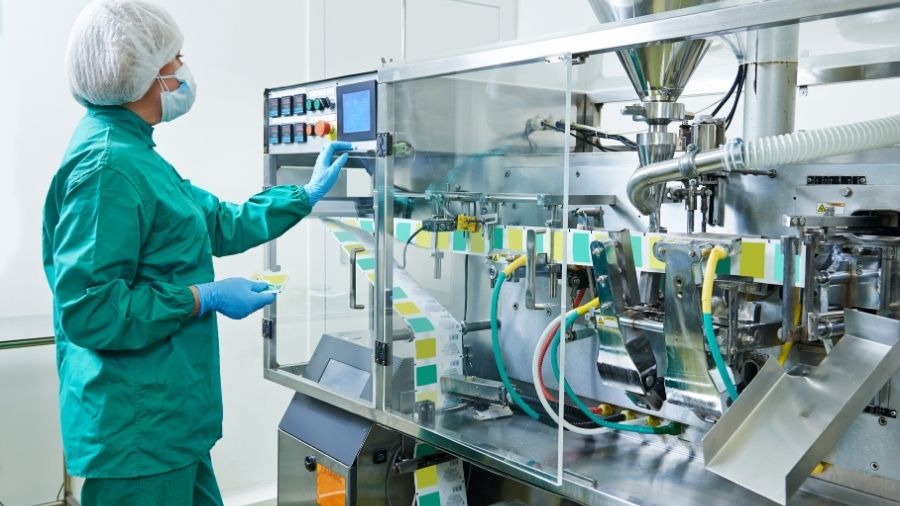
Pharma manufacturing profit margin in India refers to the percentage of the total revenue that is left after costs such as production, raw materials, and other operational costs are deducted. The profit margins depend on the production model, product type (tablets, syrups, injectables, etc.), and formulation type, either branded or generic.
Profit Margins by Business Models:
| Business Model | Profit Margin and Return | Main Reason |
| Third-Party Manufacturing | 25% to over 40% | Lower overhead and locked-in client production rates |
| Research-Based and Branded Formulations | 25% to 40% | Higher entry barriers and patented and specialized drugs |
| PCD Pharma Franchise | 20% to 40% | Specialized segments can generate higher returns |
| Pharma Export Business | 20% to over 30% | Shipping volumes and international regulatory compliance |
| Ayurvedic and Herbal Range | 20% to 50% | Local sourcing and retail demand |
How is Pharma Manufacturing Profit Margin Calculated?

Profit margins for a pharma manufacturing business in India by subtracting direct production or operational costs from the total revenue, then dividing the value by revenue and multiplying by 100. The main metrics include:
Formulas to calculate pharma profit margin:
- Gross Profit Margin: Total Revenue – Cost of Goods Sold) ÷ Total Revenue × 100
- Operating Profit Margin: Operating Profit (Gross Profit – Operating Expenses) ÷ Total Revenue × 100
- Net Profit Margin: Net Profit ÷ Total Revenue × 100
Definitions of the terms used in formulas:
- Gross Profit Margin: A metric showing the percentage of remaining revenue after the manufacturer spends on the production process.
- Operating Profit Margin: The percentage of revenue a company keeps after spending on day-to-day operations, before paying taxes and loan interest.
- Net Profit Margin: The total revenue that a company keeps after paying all the costs, taxes, and money in research.



What is the Average Pharma Business Profit Margin in India?
Here are the average profit margins based on product category:
| Product Category | Profit Margin | Main Reason |
| Ayurvedic & Herbal Products and Nutraceuticals | 50% to 80% | Lower R&D costs and strong demand for natural and wellness products |
| Ointments, Creams and Dermaceuticals | 40% to 80% | Strong retail demand and relatively simple formulations |
| Specialty Medicines (Cardio, Neuro, Orthopedic) | 40% to 60% | Brand loyalty and specialized prescription demand |
| OTC and Cosmetics | 30% to 50% | Consumer marketing and flexible pricing |
| Injectables | 30% to 50% | Higher technical and sterile-infrastructure barriers |
| Syrups and Liquids | 25% to 45% | Steady demand and moderate production costs |
| Capsules & Tablets (General and Generic) | 20% to 40% | High competition and tighter pricing |
Factors that Determine the Profit Margins in India

Factors that determine the pharmaceutical manufacturing profit margin are:
- Medicine Types: Generic medicine profit margin in India are lower than branded medicines.
- Specialized Therapies: Highly complex segments, including injectables, oncology, and biosimilars, may offer higher margins but also involve higher R&D and compliance costs.
- OTC and Ayurvedic Products: Higher customer preference and demand are one of the major reasons why over-the-counter and Ayurvedic products retain high profit margins.
- API Price Volatility: The fluctuations of API (Active Pharmaceutical Ingredients) prices also influence the profit margins.
- Manufacturing Efficiency: Outsourcing the production process to third party pharma manufacturing companies can significantly reduce the operational costs, helping stabilize profit margins.
- Government Price Control: The National Pharmaceutical Pricing Authority (NPPA) fixes ceiling prices for scheduled formulations under the DPCO, limiting the price control of companies over them.
- Promotional Costs: Costs expanding to field force deployment, physician samples, and visual aids directly impact the company’s profit margins.
- Compliance Costs: GMP compliance, certifications, audits, and quality-control requirements add to operating costs, directly impacting the profit margins.
How to Increase Pharma Profit Margins in India?
Here are some of the effective strategies that can help you increase your pharma profit margins:
- High-Margin Niche Diversification: Expand production into nutraceuticals, health supplements, dermatology, pediatrics, and gynecology, which may offer attractive margins depending on demand, pricing, and production costs.
- Focus on Specialized Therapies: Focus your manufacturing on specialized segments, such as oncology, neurology, and orthopedics.
- Promote OTC and Ayurvedic Products: Diversify your catalog by featuring herbal and over-the-counter wellness products, as they offer greater pricing flexibility, which depends on the specific product and applicable regulations.
- Implement Strict Inventory Control: To reduce financial losses due to expired and slow-moving stock, invest in automated billing and inventory software.
- Consider Contract or Third-Party Manufacturing: Partner with a reliable third party or contract pharma manufacturing in India to lower overall production costs.
- Use Export Markets: Consider targeting international markets for quality generics, consumables, and Active Pharmaceutical Ingredients (APIs) to secure market opportunities and potentially improve returns.
Conclusion
Pharma manufacturing is considered a highly profitable business in India. However, the actual profit margins are dependent on the category of the product, manufacturing model, total production costs, and market demand. By focusing on manufacturing high-demand products, controlling operational costs, and reaching international markets, businesses can maintain long-term, sustainable growth and maximize their profit margins.
If you are looking for a reliable pharma manufacturer, you can connect with Medella Softgel, a reputable contract pharmaceutical manufacturer in India. We specialize in manufacturing high-quality medicines in various forms, including capsules, syrups, and others, while maintaining compliance with strict quality standards. Thus, reach out to us and secure highly reliable medicine manufacturing solutions at affordable prices.
Also Read: Capsule Manufacturing Process Explained: A Complete Guide