
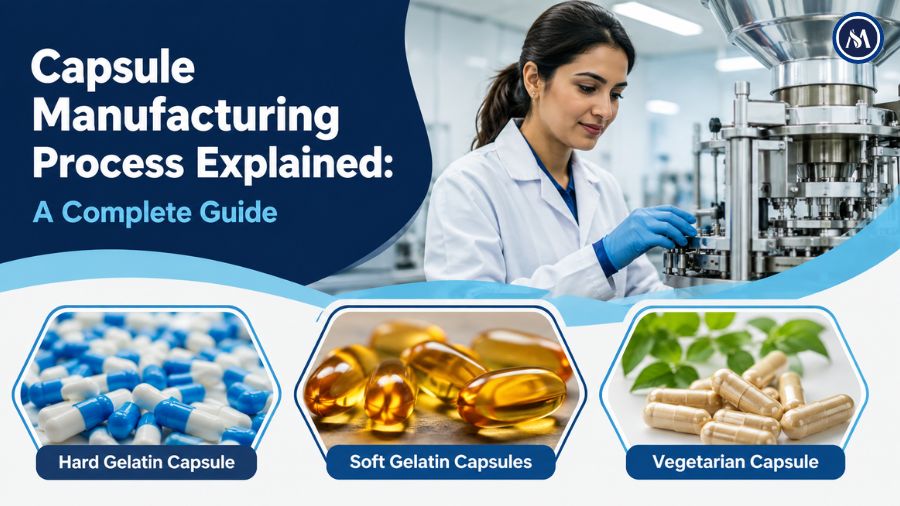
Capsule Manufacturing Process Explained: A Complete Guide
Capsule manufacturing process turns active ingredients into easy-to-swallow oral doses. Mainly, there are three types of capsules: hard, softgel, and vegetarian. Each type is made using special machines, like hard gelatin or vegetarian capsules, that use pre-made two-piece shells filled with dry powders.
Capsules are among the most convenient ways to take supplements and medicines. But it is very important to note that not all capsules are similar. The capsule manufacturing process produces three main types of capsules: hard gelatin, softgel, and vegetarian. Each option requires special machinery and temperature controls to manufacture accurately.
Read on to learn more about the manufacturing process of these capsules so that you can easily understand the steps manufacturers follow to produce high-quality and safe capsules for consumers worldwide.
What Is a Capsule Manufacturing Process?
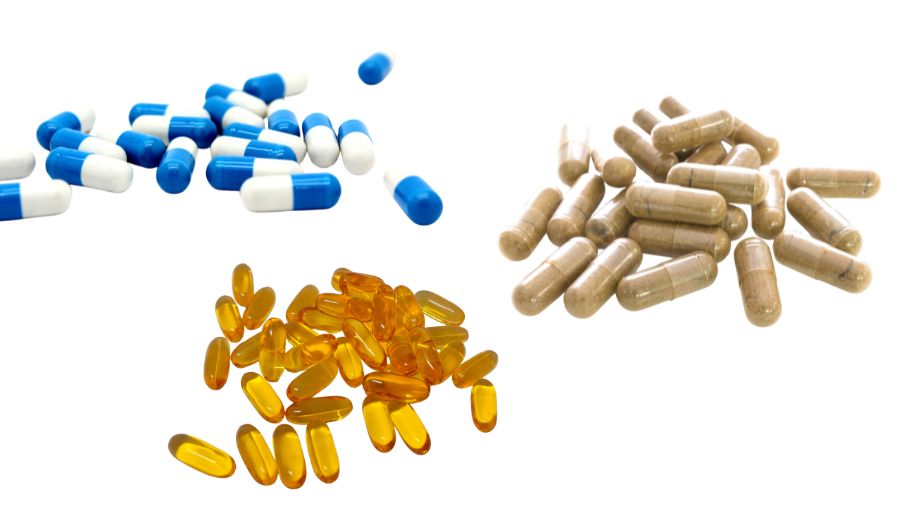
A capsule manufacturing process is a step-by-step method factories follow to fill APIs and excipients into hard gelatin and vegetarian capsules. Firstly, the outer shell is made using liquid gelatin or plant-based material that hardens into two matching pieces, body and cap. Then special machines are used to fill the body with the exact amount of medicinal powder, liquid, or pellets. For two-piece capsules, another machine is used to join the cap with the body. Softgels are formed, filled, and sealed during the encapsulation process.
5 Main Advantages of Pharmaceutical Capsules
Capsules dissolve in the stomach quickly and offer great patient compliance. Here are the main benefits of pharmaceutical capsules:
- No Bad Taste and Smell: The outer shell of capsules masks the bitter taste and unpleasant smell of the medicine. This makes it easy to swallow.
- Fast Absorption: The shell dissolves quickly in the stomach, allowing the medicine to enter your system and start working faster.
- Easy to Swallow: These have a slippery texture when wet, which helps them slide down the throat very easily.
- Accurate Dosage: Trusted medicine manufacturing companies in India make sure each capsule contains an accurate amount of medicine. This ensures you get the exact dose always.
- Protection of Ingredients: The sealed shell protects the ingredients inside from damage caused by air, light, and moisture.



Steps in the Hard Gelatin Capsule Manufacturing Process
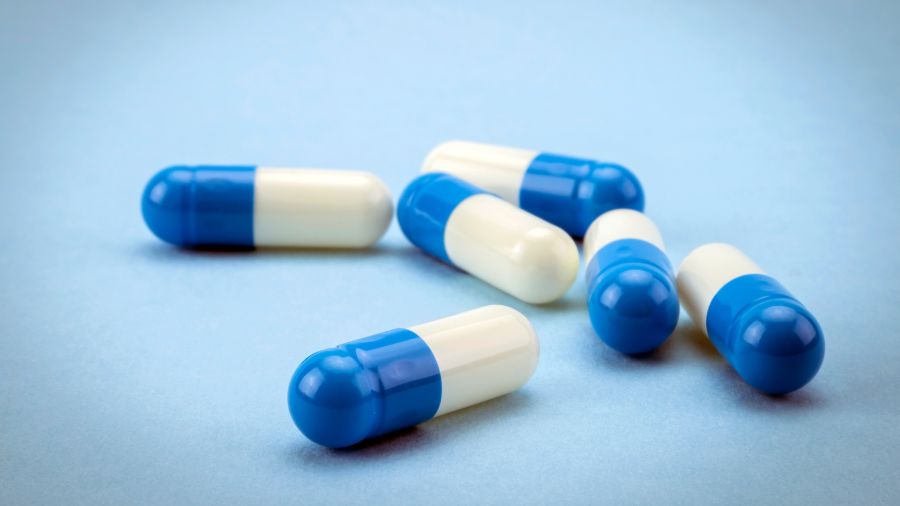
A hard gelatin capsule manufacturing process is a process that pharma manufacturers use to make these two-piece medicine shells. These shells have a longer body and a shorter cap, and they hold dry medicines like powder, small pellets, and granules.
Raw Materials: These are commonly made from gelatin derived from animal collagen (bovine and porcine). Animal collagen is mixed with water and colorants, but these capsules contain no plasticizers, making the finished shell rigid.
Hard Gelatin Capsule Manufacturing
- Gelatin Melting & Preparation: Firstly, gelatin powder is mixed into hot demineralized water to create a thick solution. Safe colorants and ingredients are added to the mix to make the shells colorful or opaque. No softening liquids are used in the preparation step to make sure the final capsule shell is hard and firm.
- Pin Dipping: The next step in the hard gelatin capsule manufacturing process is pin dipping. In this step, shiny and polished metal pins that are shaped just like the capsule cap and body are dipped into liquid gelatin mass. The pins are left in the molten mass for a specific time.
- Drying: Then the coated metal pins spin around to spread the liquid gelatin evenly over the surface. They move through long drying tunnels with strictly controlled air temperature and moisture. The steady airflow slowly dries the liquid until it turns completely solid.
- Demolding and Trimming: Once the gel is dry, mechanical parts gently pull the capsule halves off the metal pins. Then, sharp automatic blades are used to cut the rough edges so that every piece has the same length. Then, the two halves are joined together loosely for shipping to the filling facility.
- Filling (Encapsulation): Lastly, the empty shells are transferred to a filling facility. A special encapsulation machine is used to separate the cap from the body, fill the body with the exact dose of powder, and snap the cap back on tightly to lock it.
Steps in Soft Gelatin Capsules Manufacturing Process
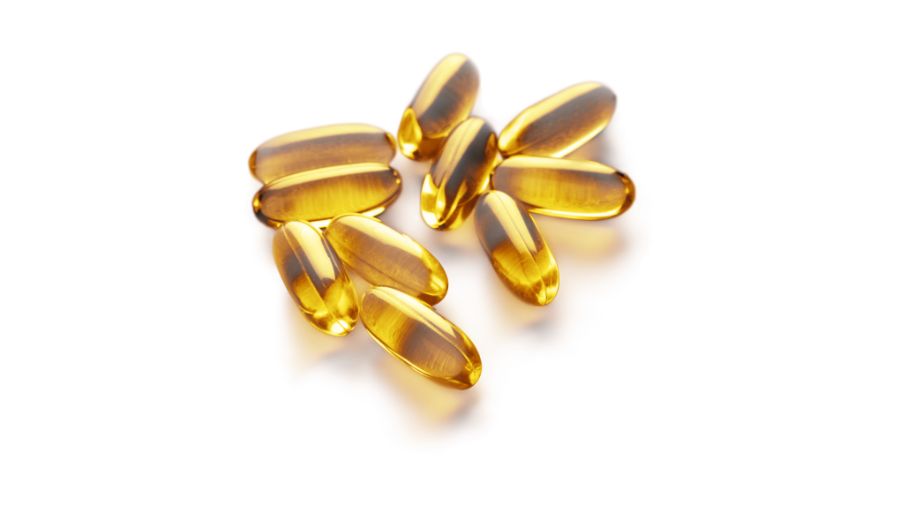
The soft gelatin capsules manufacturing process is a unique step-by-step method that is used to create a single, complete unit rather than two pieces pushed together. Unlike hard capsules, they are specially designed to hold liquids, oils, and pastes. This is a very popular option for modern health supplements because these capsules are very easy for the body to absorb.
Raw Material: Before we look at the steps involved in softgel capsule manufacturing, let’s understand what they are made of. These are made from mixing animal gelatin, water, and a plasticizer like glycerin and sorbitol. This raw material mixture ensures the finished shell is elastic and pliable.
Softgel Capsule Manufacturing
- Gelatin Cooking: Firstly, animal gelatin is mixed with water and plasticizers like glycerin under a strong vacuum at a specific temperature. This process is a must to remove air bubbles and make a clear liquid base, which is then transferred to heated holding tanks.
- Ribbon Casting: During this step of the soft gelatin capsules manufacturing process, the hot liquid gelatin is spread smoothly over two rotating cooling drums. This cooling step changes the hot liquid into two continuous, elastic gel ribbons.
- Encapsulation and Filling: Then the gel ribbons move directly into a special machine that features matching die rollers. As the ribbons meet, a wedge pump adds the exact dose of liquid or oil medicine between the moving ribbons.
- Sealing and Cutting: The high heat and steady pressure from the die rollers instantly seal the two halves of the ribbon together. At the same time, they cut the perfectly sealed capsule to complete the main softgel capsule manufacturing process in India.
- Curing and Drying: Then, the wet softgels are placed in a rotating tumble dryer for pre-drying. Then, they are spread onto large flat trays in a special low-humidity room for 2 to 4 days until they reach full hardness before shipping.
Steps in Vegetarian Capsule Manufacturing Process
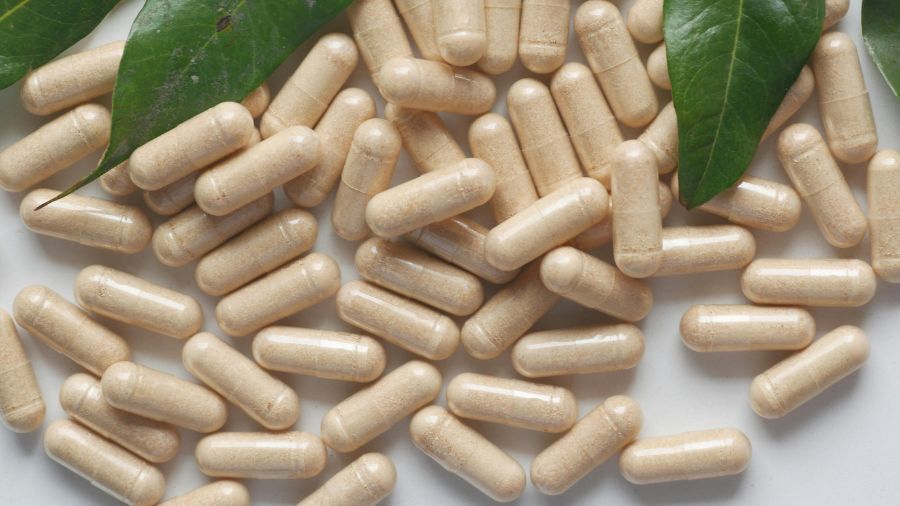
Vegetarian capsules have a similar structure to hard gelatin capsules, but they are made from plant-derived polymers. Almost every premium capsules manufacturer in India offers production services for these capsules to meet the rising demand for supplements that don’t contain animal gelatin.
Raw Material: As we discussed above, vegetarian capsules don’t derive from animal gelatin. Most commonly, these are made from HPMC or Pullulan. These capsules are especially made to serve vegan, kosher, and halal global markets.
Vegetarian Capsule Manufacturing
- Polymer Dissolution: To start the vegetarian capsule manufacturing, plant polymers like HPMC or Pullulan are dissolved in water. Since plant polymers don’t gel naturally like animal proteins at the same temperatures, special gelling agents are mixed into the liquid base. Mostly, a gelling agent and a promoter are added to complete this step.
- Thermal Pin Dipping: Unlike gelatin, HPMC requires hot-pin dipping or strict temperature controls. This means the stainless steel pins are first heated and then dipped into the liquid. This makes sure the plant polymer instantly turns into a solid gel shell when it comes in contact with water.
- Drying and Finishing: Then, the coated pins pass through drying tunnels. Once dried, mechanical jaws pull the capsule halves off the pins so they can be trimmed to exact lengths and pre-joined for shipping.
- Filling: The last step in the vegetarian capsule manufacturing is filling. The empty shells run on automatic encapsulation machines. The machine separates the pieces, fills the body with moisture-sensitive powder, and snaps the cap back on tightly.
Hard Gelatin vs Softgel vs Vegetarian Capsule Manufacturing
The top-rated medicine manufacturing companies in India choose the right process to ensure maximum shelf life of capsules. Their skilled workers operate in facilities with advanced equipment to produce Hard Gelatin vs Softgel vs Vegetarian Capsule capsules that are safe, effective, and compliant with global rules.
| Feature | Hard Gelatin | Softgel | Vegetarian (HPMC) |
| Shell Material | Animal collagen (gelatin) | Animal collagen, plasticizer | Plant cellulose (HPMC) |
| Structure | Two pieces (body and cap) | One single piece (hermetically sealed) | Two pieces (body and cap) |
| Fill Contents | Powders, pellets, small tablets | Liquids, oils, semi-solids | Powders, liquids (special grades) |
| Best For | Dry powders | Oils and lipid solutions | Moisture-sensitive ingredients |
| Moisture Sensitivity | Moderate | Higher | Lower |
| Flexibility | Rigid shell | Flexible shell | Rigid shell |
| Dietary Suitability | Animal-derived | Animal-derived | Plant-based |
Grow Your Pharma Brand with Medella Softgel
Capsules are a great way to take daily vitamins and medicines, as they are easy to swallow and quickly absorbed. HGC works well for standard dry powders, while softgels are best for liquid and oil items. Vegetarian options are best for people with vegan preferences. If you are planning to start a health brand company, you need expert support for a capsule manufacturing process in India.
Connect with a trusted pharma third party manufacturing company to get high-quality capsules for your business. Their team will help you choose the right style and process based on your brand needs. The best part is that they check every batch for safety and strength. This choice will help you launch your products in the market without investing in factory setup.
Contact the Medella Softgel team to secure the right solutions for your business requirements. As a trusted capsules manufacturer in India, we offer top-quality and fast support to other pharma brands. Our team guides you at every step, shares clear service and charges details, and provides custom solutions for special needs. Let our pharma manufacturing experts support your pharma business growth.
Also Read: List of the Top 10 Generic Medicines in India (2026 Guide)