
Pharma Industry in India: Size, Growth, and Opportunities
The Pharma Industry in India is one of the world’s leading healthcare industries that makes use of affordable generics, vaccines, and medicines. The industry keeps growing due to increased demand for healthcare, exports, investments, and pharmaceutical innovations.
India has emerged as one of the key countries for pharma manufacturing and supplies in the world. From making cost-effective generics to vaccine and drug supplies in the international market, India is playing a vital role in the healthcare sector. The pharma industry in India keeps growing with increasing healthcare demand, manufacturing investment, and pharmaceutical research.
In this blog, we are going to discuss the market size of the industry, growth factors, manufacturing trends, and business opportunities in the Indian pharmaceutical industry.
Pharmaceutical Industry Ecosystem: Overview of India

The Indian pharmaceutical industry ecosystem has developed a robust manufacturing base over the years, providing medicines for the domestic and international marketplaces. The industry includes generic medicines, vaccines, APIs, and specialised medicines.
Key Features of the Indian Pharmaceutical Industry Ecosystem include:
- Medicine Supply to the World: India is a huge producer of cheap generic medicines for countries around the world.
- Medicine Manufacturing in India: There is an extensive network of pharmaceutical firms and manufacturing plants for manufacturing medicines.
- Third Party Manufacturing: India’s contract manufacturing market is growing steadily with a projected CAGR of 12.8% from 2026 to 2033. Many businesses partner with a Third Party Pharmaceutical Manufacturer to expand production without setting up their own facilities.
- Research and Development: Medicine manufacturing companies in India are developing new formulations, medicines, and manufacturing techniques.
With the growth of the India pharmaceutical sector, there is an increasing emphasis on the safety and quality of the products. Appropriate packaging solutions ensure that the medicines remain protected and stable in terms of quality and are easily distributable.



Size of the Pharmaceutical Industry in India
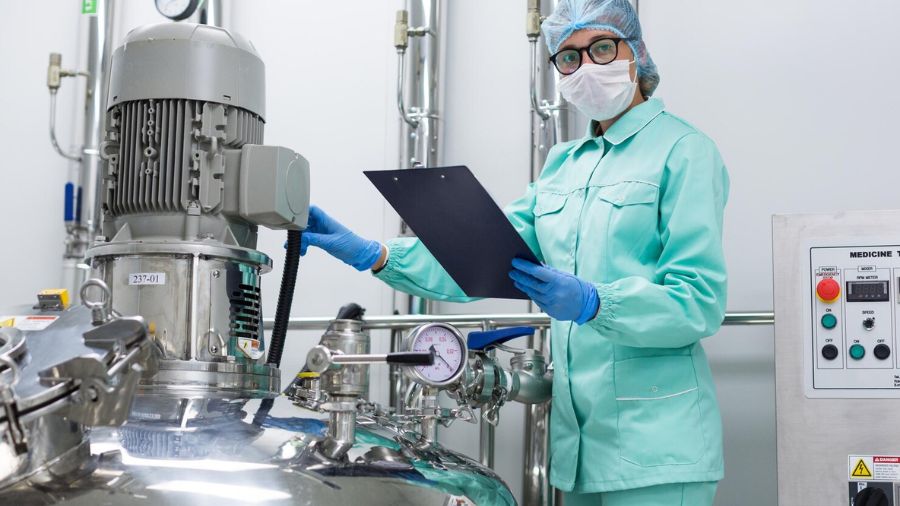
The Indian Pharmaceutical Industry has made its mark as one of the largest health markets in the world. According to data from the India Brand Equity Foundation (IBEF), the domestic pharma market has reached approximately $60 billion (₹5.30 lakh crore) by FY2026. The country plays a crucial role in the global health industry because of its large manufacturing base.
| Important Statistics | Industry Statistics |
| Size of Domestic Market (FY2026) | US$ 60 billion |
| Number of Pharmaceutical Firms | 3,000+ |
| Number of Medicine Manufacturing | Units 10,500+ |
| Ranking of the World by Production Amount | 3rd |
This set of statistics shows the size of the Indian pharmaceutical industry.
Growth of the Pharmaceutical Industry in India
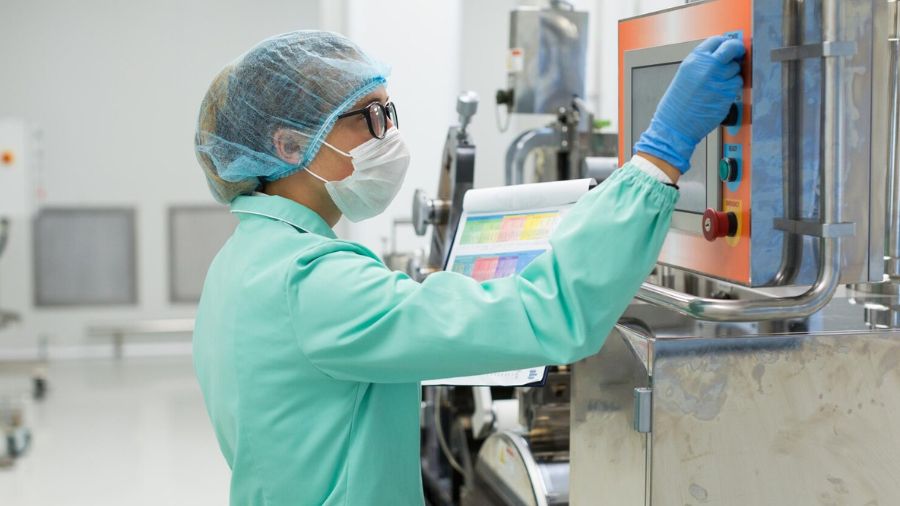
In terms of the India pharmaceutical sector, there has been steady growth driven by increased healthcare demand, rising consumption of medicines, and greater exports. IBEF notes that for the last nine years, the pharmaceutical industry has shown a CAGR of 9.43%, demonstrating continuous growth and its significance within the global healthcare market IBEF.
Several trends help the India medical industry grow at the current rates :
- Rising Healthcare Demand: The growth of the healthcare market is fueled by higher consumer awareness, population growth, and the increasing number of cases of people suffering from chronic illnesses.
- Increasing Pharmaceuticals Exports: Indian pharmaceuticals have greater export opportunities, delivering low-cost pharmaceutical products to different markets.
- Government Incentives: Various governmental initiatives, such as the Production Linked Incentive (PLI), motivate domestic manufacturing and reduce dependence on imported pharmaceutical raw materials.
- Research Investment: Increased research investment into new formula development and better drugs.
- Increased Manufacturing Capabilities: Development of production facilities and technologies is enabling the manufacturer to supply more products.
India’s domestic pharmaceuticals market is expected to increase from US$ 60 billion in FY2026 to US$ 130 billion by 2030.
Major Segments of the Indian Pharmaceutical Industry
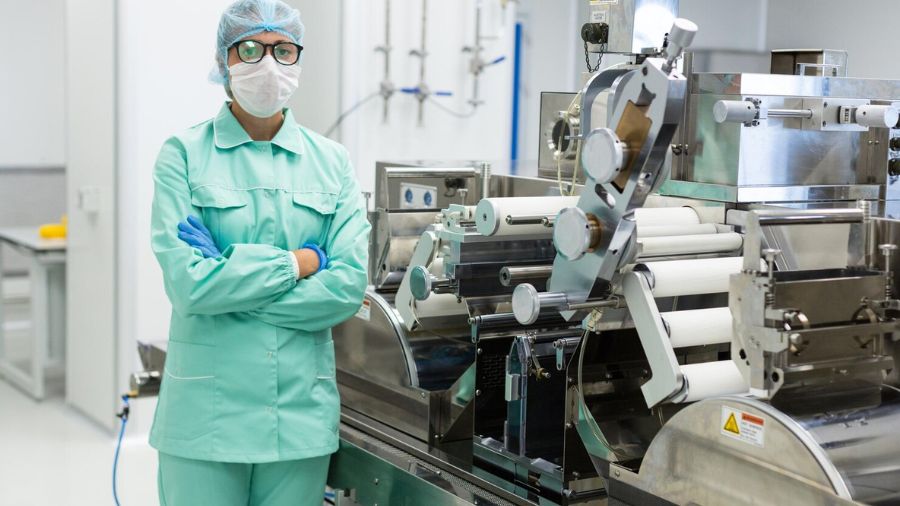
The India medical industry offers a variety of pharma products, including generic medicines, vaccines, and biologic drugs, among others. The importance of each segment is crucial in providing healthcare needs in the country while helping in establishing a competitive status internationally.
The following are the significant segments in the pharma industry in india:
1. Generic Drugs
Generic medicines are similar to branded drugs but have lower costs. They are manufactured by replicating the branded drugs, which gives India a competitive advantage in being one of the biggest global producers of generic drugs.
2. Active Pharmaceutical Ingredients (APIs)
Active pharmaceutical ingredients (APIs) are the major components behind medicines. This is a product found in all forms of medicines and produced by Indian pharma manufacturers in various medicine groups.
3. Over the Counter (OTC) Medicines
Over the Counter (OTC) medicines are those purchased without a doctor’s prescription for health problems by customers. The OTC medicines include pain relievers, antacids, cough syrups, and cold medicines. The use of medicine packaging requirements is essential for ensuring proper product protection, identification, and handling.
4. Vaccines
India is known to have a robust vaccine production capacity and provides a number of inexpensive vaccines to healthcare programs across the world. The list of vaccines produced includes those that protect against conditions like measles, tuberculosis, and diphtheria.
5. Biosimilars & Biologics
This category includes drugs created from biological or living cells. Biosimilar drugs are copies of approved biological drugs and are used in fields such as oncology, diabetes, and autoimmune disorders.
6. Pharmaceutical Formulations
This category encompasses the process of formulating active substances into final drugs like tablets, capsules, syrups, injections, and softgels. Different formulations need different methods of manufacture and packaging. Knowledge of the types of pharmaceutical packaging aids in making the right choice for various drugs.
Main Pharmaceutical Manufacturing Hubs in India
Indian pharmaceutical companies operate in top hubs across the country and make affordable and safe medicines, vaccines, and raw drug ingredients for global markets. India has the following manufacturing hubs where medicines are researched, tested, and mass-produced.
1. Hyderabad (Telangana): The Bulk Drug & Vaccine Capital
Popularly known as Genome Valley, this city is the country’s biggest center for drug research and vaccine making. Major companies like Dr. Reddy’s, Aurobindo Pharma, and Bharat Biotech operate here. They produce massive amounts of raw drug ingredients and vaccines for local markets and export.
Focus: Active Pharmaceutical Ingredients (APIs), bulk drugs, biologics, and vaccines.
2. Baddi-Barotiwala-Nalagarh (Himachal Pradesh): The Volume Hub
This area is located in Himachal Pradesh and is India’s largest site for mass production of packaged medicines. Manufacturers here focus on making low-cost generic drugs and tablets in very high quantities. Major names operating here are Medella Softgel, Cipla, and Dr. Reddy’s.
Focus: Mass-scale generic formulations, tablets, capsules, and injectables.
3. Ahmedabad and Vadodara (Gujarat): The Export Stronghold
The India pharmaceutical sector in Gujarat is a major powerhouse for supplying medicines to other countries. Big brands like Zydus and Torrent Pharma operate here. Companies here mainly focus on chemical processes, medical research, and shipping safe drugs worldwide.
Focus: High-volume generics, APIs, and oncology products supplied to highly regulated markets like the US and Europe.
4. Mumbai-Pune-Aurangabad (Maharashtra): Corporate and R&D Center
This region acts as the financial and corporate center for the pharma industry in India. Major brands like Sun Pharma, Lupin, Glenmark, and Cipla have their main offices and research labs here to discover new treatments and vaccines.
Focus: Branded generics, corporate headquarters, global regulatory strategy, clinical research, and vaccine/formulation plants.
5. Bengaluru (Karnataka): The Biopharma & Innovation Cluster
This region is popularly known as the biotech capital of the country. Indian pharmaceutical companies operating in this Pharmaceutical hub in India focus on high-tech activities such as creating modern drugs, clinical research, and developing biosimilars.
Focus: Biosimilars, biopharmaceuticals, and global capability centers (GCCs).
6. Visakhapatnam (Andhra Pradesh) – The API & Bulk Drug Hub
Located along the coast, this region specializes in making API, bulk drugs, and chemical intermediates. Companies operating here reduce the country’s need to import raw drug powders from other nations.
Focus: Bulk drugs and chemical intermediates, supported by government PLI schemes.
7. Selaqui / Uttarakhand – The Emerging SIDCUL Cluster
Part of the SIDCUL initiative near Dehradun, Selaqui has grown into a modern manufacturing zone. It is home to more than 250 WHO-GMP and USFDA-compliant units focusing on contract manufacturing, allopathic formulations, and Ayurvedic products. Major companies like Akums and Mankind operate here.
Focus: Contract manufacturing, nutraceuticals, and formulations.
Opportunities in the India Pharma Sector
The Indian pharmaceutical industry is slowly moving from producing generics into specialised drug manufacturing and innovative approaches. The changes in the global pharmaceutical value chain, the demand for increased health care services, and various government initiatives make it possible to generate new business opportunities in this sector.
The following are the main emerging opportunities available in the industry:
1. Complex Generics, Biosimilars, and Biologics
With an increase in the demand for innovative medications, it is now a good time to produce various products like complex generics, biosimilars, and biologics, especially when it comes to treating cancer, diabetes, and autoimmune disorders.
- Complex Generics: Production of complex generics and advanced formulation methods for drugs.
- Biosimilars: Increase in opportunities to develop alternative products to current biological medications.
- Biologics: Growth in investments and the development of biologic treatments such as mAbs and recombinant proteins.
- Opportunities: The growing demand for complex medicines for cancer, immune system, and metabolic disorders.
2. Opportunities resulting from Patent Expirations Globally
The expirations of patents on important medicines such as the semaglutide medicines could open up new opportunities for Indian manufacturers in formulating affordable alternatives. So, many companies are investing in contract manufacturing in pharmaceutical industry to meet the high demand.
- Affordability: There is the possibility of formulating affordable alternatives once patents expire.
- Market Access: There will be opportunities for firms that acquire the necessary approvals early enough.
- Research Focus: There is the chance of focusing on the formulation of difficult medicines.
- International Markets: There will be opportunities to enter international markets with good distribution channels.
3. Increased Growth of CDMOs
Pharmaceutical firms globally have been increasing the outsourcing of their drug manufacturing and development. This provides an opportunity for Indian CDMOs to work with international and top Indian pharmaceutical companies.
- Outsourcing: There is the option of working with specialist manufacturers rather than setting up plants.
- Cost Management: Firms can manage their cost of production and use their manufacturing infrastructure.
- International Partnerships: There is the opportunity to collaborate with international pharmaceutical firms.
- Scalable Manufacturing: There is the chance of increasing manufacturing capacity.
4. Domestic API and Bulk Drug Manufacturing
Government initiatives such as the Production Linked Incentive (PLI) policy and bulk drug parks are helping domestic manufacturing of pharmaceuticals.
- API Manufacturing: Possibilities for making necessary Active Pharmaceutical Ingredients (APIs).
- Bulk Drug Parks: Setting up shared facilities to help with manufacturing pharmaceutical raw materials.
- Reduction in Imports: Domestic manufacturing would help reduce reliance on pharmaceutical ingredients from other countries.
- Supply Chain Enhancement: Increased availability of raw materials that would ensure medicine manufacturing.
5. Artificial Intelligence and Smart Manufacturing
The use of artificial intelligence, robots, and the Internet of Things (IoT) is bringing about an evolution in India pharmaceutical sector research and manufacturing.
- AI-Based Drug Research: Making use of AI to find potential drug targets and speed up the research stage.
- Automated Manufacturing: Robots and smart machines will bring about more efficient manufacturing.
- Quality Control: With advanced monitoring, any manufacturing defects will be identified easily.
- Predictive Maintenance: By using smart sensors, manufacturing machine problems will be known ahead of time.
6. Chronic Disease Management and Retail Expansion
The growing cases of diabetes, heart diseases, and other chronic illnesses have increased the need for long-term medications.
- Chronic Disease Medications: Increased demand for medicines related to diabetes, heart diseases, and other lifestyle disorders.
- Retail Pharmacy Expansion: Increased availability of medicines through the network of pharmacies.
- Online Pharmacies: Improved availability of pharmaceutical products via online medicine platforms.
- Long-Term Market Demand: Continuous need for treatment resulting in recurring need for medicines.
This list of opportunities illustrates how the Indian pharmaceutical industry is developing in terms of research, production, technology, and healthcare distribution. In addition to the above-listed trends, the appropriate packaging of pharmaceutical products will be essential.
Challenges Facing the Indian Pharmaceutical Industry
The pharma industry in India still faces many big challenges that slow down its growth. Understanding these problems helps drug makers understand what must be fixed to ensure continued growth of the country’s pharma sector:
- Reliance on Foreign Ingredients: Indian pharmaceutical companies or drug makers import most of their basic raw materials (APIs and KSMs) from countries like China. If global trade stops or prices increase suddenly, Indian factories cannot make medicines easily. This can slow down supply and raise medicine costs.
- Strict Global Quality Rules: Increased inspections by global agencies like the USFDA, EU MHRA, and CDSCO mean tighter quality, data integrity, and compliance needs. If Indian companies fail to meet these safety checks, they can face sudden bans and a bad reputation in the global market.
- Low Spending on New Research: Most Indian companies focus on copying old medicines rather than inventing new ones. Companies invest only about 5% to 8% of their revenue into R&D, compared to 15% to 20% in Western markets. So, local firms fall behind global companies in medical innovation.
- Government Price Caps: The Indian government fixes maximum prices for many essential life-saving medicines so poor people can afford them. While this helps everyday patients, it lowers the profits that drug companies need to grow and build better factories for research and innovation.
- Tough Market Competition: Thousands of Indian pharmaceutical companies sell the exact same basic medicines. As there are so many sellers, companies must lower their prices to win local buyers. This makes it hard for smaller businesses to survive.
Talent Shortages in Specialized Segments: While India produces many pharmacy graduates each year, there is a shortage of highly skilled talent for advanced GMP compliance, clinical research, and complex R&D.
Future Trends in Pharmaceutical Manufacturing and Packaging
The pharma industry in India is shifting towards more sophisticated manufacturing processes driven by technology. Evolving healthcare requirements, stringent quality requirements, and increasing demand are some of the factors prompting manufacturers to embrace newer technologies. Some of the future trends are:
1. Automation and Smart Manufacturing
The India medical industry is moving towards using automated machinery and smart manufacturing systems in order to increase production efficiency and keep product quality constant.
- Automated Production Lines: Minimise human labour and ensure consistency.
- Real-time Monitoring: Enables tracking of production and detection of mistakes.
- Smart Machinery: Provides increased control of the manufacturing process.
2. Use of Artificial Intelligence in Pharmaceutical Production
Artificial intelligence helps manufacturers optimize various phases of the creation of medicine, including research and quality inspection.
- Medicine Research & Formulation: Accelerates research and formulation of medicine.
- Quality Inspection: Detects defects and inconsistencies.
- Predictive Maintenance: Detects potential problems in equipment.
3. Advanced and Sustainable Packaging
Increasing concern about the impact on the environment promotes the search for more advanced and sustainable pharma packaging materials that provide protection and minimize waste.
- Recyclable Materials: Promotes sustainable pharma packaging.
- Enhanced Barrier Packaging: Prevents moisture, oxygen, and light from harming medications.
- Lightweight Design: Decreases material use and lowers transportation costs.
4. Smart and Trackable Packaging Growth
The introduction of digital technologies is contributing to the effectiveness of solutions in pharmaceutical packaging for product tracking, verification, and safety.
- QR codes: Give access to product information and verification.
- Serialisation: Is useful in identifying individual units of medicines in the supply chain.
- Anti-counterfeiting Features: Will make it easier to detect unauthorised or counterfeit products.
5. Personalised Medicine and specialised Formulations
There is an increasing need for personalised treatments, which makes manufacturers produce drugs according to the specific needs of particular patients. The emerging developments will contribute to the need for appropriate packaging types for different formulations.
- Advanced drug delivery: Facilitates better delivery of medicine.
- Specialised formulations: Facilitates production of new dosing formulations.
- Flexible manufacturing: Enables manufacturers to work with smaller and specialised batches.
Such trends clearly indicate that the future of pharmaceutical manufacturing will rely on innovations, manufacturing efficiency, and safety. With time, manufacturers will have to think about suitable packaging technology.
Conclusion
The pharma industry in India is set for continued growth, driven by rising healthcare demand, advanced manufacturing technologies, expanding exports, and innovation in medicine development. As the sector evolves, businesses will need to focus on product quality, efficient production, and packaging that meets changing industry requirements.
The growing India pharmaceutical sector is creating new opportunities for trusted manufacturers offering special drug formulations and contract manufacturing services. Leading pharmaceutical companies like Medella Softgel are contributing significantly to the pharma sector by providing complete manufacturing services for several medicines like Syrups, powders, tablets, and capsules.
Companies looking for a certified third-party manufacturer for various pharma formulations can connect with experts at Medella Softgel.
Also Read: Pharma Product Packaging: Types, Standards and Best Practices