

Difference Between API Manufacturing and Drug Formulation
We rarely think about what medicines we take are made of. Every tablet, capsule, or syrup we consume on a doctor’s prescription goes through a detailed process before it reaches the patients. So, medicines are not created in just a single step. When we learn about drug development, we get to know about two important stages: API manufacturing and formulation.
For anyone who’s not from the pharmaceutical industry, understanding complex terms related to drug development is not easy. So, in this blog, we’ll help you understand the main differences between these two important stages. These terms may look similar; however, their roles are very different. By understanding the difference between drug formulation and API manufacturing in India, you can learn how safe and effective medicines are produced.
What is an Active Pharmaceuticals Ingredients?
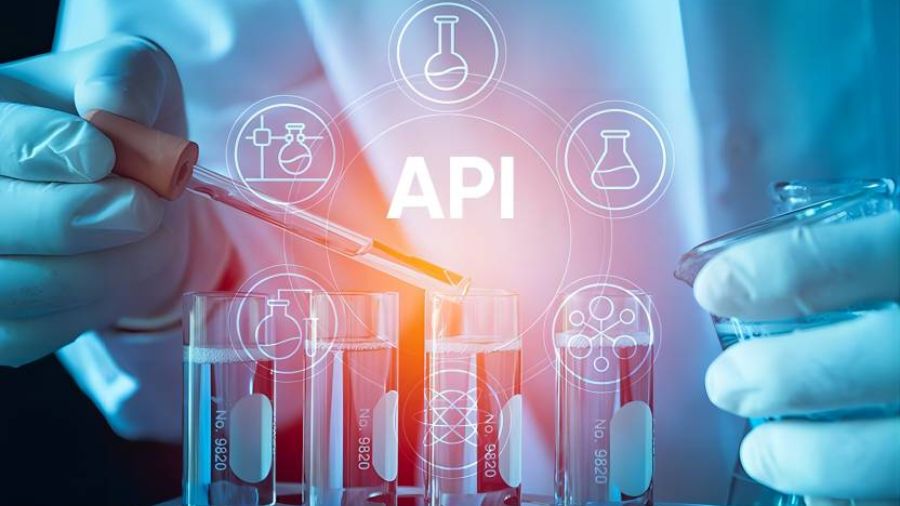
Before we discuss the main differences between these two important stages of drug development, let’s understand what they are. You can consider the active pharmaceuticals ingredients the backbone of pharma formulations. An Active Pharmaceutical Ingredient is the part of a medicine that actually helps treat a problem.
This means it is the main substance or biologically active ingredient that works inside our body. When we take medicine for fever, fighting infection, or other reasons, the API does the real work. This part of the medicine will reduce the pain and fight infection. In simple words, any medicine without this active component can have no effect.
Every medicine has two main parts: one is the API, and the other is excipients. The active pharmaceuticals ingredients does the real work by treating the disease, while the other supports it. By combining these two, they develop a finished and effective medicine. APIs can be made from natural sources or through chemical processes. These processes are handled by skilled professionals in medicine manufacturing companies in India.



Types of Active Pharmaceutical Ingredients
API manufacturing is one of the most important stages in drug development, as it produces the component responsible for a medication’s therapeutic effects. Based on their origin and the manufacturing process, APIs are mainly of three types:
- Synthetic Chemicals: These are the most common type of Active Pharmaceutical Ingredients that are produced using chemical processes in labs and factories. Their manufacturing process involves many chemical reactions and purification steps. In simple words, these are produced from basic chemical materials through controlled steps. Some examples of this type of active pharmaceuticals ingredients are aspirin, paracetamol, amoxicillin, and others.
- Biotech-Based Compounds: Unlike the previous type, these come from living organisms like bacteria or yeast. These are made using advanced methods such as genetic engineering. These are more complex than the chemical APIs and are mainly used to treat serious diseases and long-term conditions. Some of the most common examples are vaccines, insulin, and monoclonal antibodies that are used in cancer treatment.
- Natural Extracts: Some Active Pharmaceutical Ingredients are obtained directly from natural resources, like plants, animals, and minerals. Their manufacturing involves the extraction of the desired compound from the raw natural material, which is followed by purification to create the usable medicines. These have more complex structures, and their production is most challenging. Some common examples are morphine made from the opium poppy, herbal medicines, and digoxin from the foxglove plant.
What is a Drug Formulation?

Drug formulation is the final step in producing a usable and effective medicine. This combines the API with inactive substances (excipients). These inactive substances ensure the final product is safe and stable. Excipients improve the taste and help with dosage accuracy. Their role is to turn the API into a form that people can safely take.
Some medicines are swallowed, while others are applied to the skin or given by injection. This step makes sure the medicine works effectively until its expiry date. Without the successful completion of this step, the medicines can’t reach patients.
- Solid Formulations: These are the most common types of medicines, like tablets, capsules, and powders. Tablets are made by compressing ingredients into a fixed shape and coating them to control drug release or mask taste. Capsules have medicine in powder, liquid, or semi-solid form inside a shell. Solid forms are popular, as they are convenient and administered orally.
- Semi-Solid Formulations: These are mainly used on the skin or body surfaces, like creams, gels, pastes, and ointments. Ointments are oil-based, while creams are lighter and easier to spread. Gels often have an ethanol base that evaporates easily, and they absorb quickly.
- Liquid Formulations: They are useful for patients who have trouble swallowing solid forms of medications, like tablets and capsules. These contain the active pharmaceuticals ingredients dissolved or mixed in a liquid base, like syrups, suspensions, and solutions. Syrups with a sweet taste are mainly used for children. These can be administered orally; however, for faster action, they are administered using an injection.
Key Differences Between API Manufacturing and Drug Formulation

Companies working in medicine and contract manufacturing in pharmaceutical industry understand how important the API and pharmaceutical formulation stages are in drug development. API is the main active ingredient that treats a disease, while the formulation step turns it into a usable medicine. Here are the main differences between them that will help you explain how safe and effective medicines are produced:
1. Product
API manufacturing involves the formation of a pure chemical substance, which is in bulk form, like a raw powder. Active pharmaceuticals ingredients is not ready for patient use, so the formulation step turns the raw API into a finished medicine. The final product produced can be a tablet, capsule, syrup, or injection.
2. Function
Active Pharmaceutical Ingredients provide the main medicinal effect in the body. This part of a medicine treats the disease or condition. The formulation helps in delivering the API safely and effectively. It also improves stability and absorption.
3. Composition
An API consists of a single active molecule and is highly purified. Drug formulation combines the active pharmaceuticals ingredients with inactive ingredients, like binders, coatings, or flavors. Excipients or inactive substances support the API but do not treat the disease.
4. Process
API manufacturing involves more complex chemical or biological processes, like synthesis and purification. The pharmaceutical formulation stage mainly focuses on turning the API into a usable form. This stage involves steps, like mixing, coating, filling, and packaging.
5. Regulatory Oversight
The manufacturing of API demands compliance with strict quality rules for purity and consistency. Trusted third party pharma manufacturing companies follow these rules set by regulatory bodies. The formulation stage is also highly regulated, as it focuses on safety, stability, dosage accuracy, and labeling.
6. End User
APIs are usually sold to medicine manufacturing companies in India that use them to make finished medicines. Drug formulations are made for patients’ use and are distributed through hospitals, pharmacies, and clinics.
Interdependence Between API & Drug Formulation

API manufacturing and formulation are both main parts of pharmaceutical development and are ineffective without the other. Although both these processes have different roles, they work closely together.
Without an API, a medicine cannot exist, and an API has no value without drug formulation. So, they depend on each other to create safe and effective medicines. Both these important stages of drug development are equally important.
Active Pharmaceutical Ingredients provide the medicinal effect that is needed to treat any condition, like reducing fever. Drug formulation serves as the carrier and delivers the API into the body. So, formulations ensure proper absorption of the medicine or API. You can consider that the API is the engine of any medicine, while the formulation makes sure the engine works correctly and is delivered safely to the body.
Choose Medella Softgel for Your Pharma Needs
By understanding the difference between API and drug formulation, you can maintain quality and safety at every stage of medicine production. Today, contract manufacturing in pharmaceutical industry is playing a major role in bringing both active pharmaceuticals ingredients development and finished dosage formulation together. The contract manufacturers are making it easier for pharma companies to grow without investing in costly facilities.
To achieve long-term success in today’s healthcare market, medicine manufacturing companies in India are working with third party pharmaceutical manufacturer. From sourcing APIs to developing the final products, these manufacturers help companies with consistent quality, regulatory compliance, and faster market delivery.
If you’re planning to work with trusted third party pharma manufacturing companies in India, you’re indeed making a smart choice. Connect with Medella Softgel, as we can handle your entire production process while promising high-quality results. With us, you can focus better on marketing and distribution. We understand that both these stages must be properly handled, as together they form the foundation of effective medicines.
Also Read: Why Softgel Capsules Perform Better Than Tablets