

Aceclofenac Tablet: Uses, Side Effects, Dosage & Safety Guide
Aceclofenac tablet is a prescription NSAID and painkiller and is used to manage pain, relieve stiffness, and reduce inflammation due to various conditions related to your bones and joints. It is prescribed for conditions like osteoarthritis, rheumatoid arthritis, and ankylosing spondylitis.
Aceclofenac tablet is a widely used medication and is highly effective in treating pain, stiffness, and swelling caused by conditions like arthritis and injury. This well-known pain reliever belongs to a class of drugs called NSAIDs. But like other medicines, it must be used safely to avoid unwanted side effects. Aceclofenac belongs to the same drug class as ibuprofen and diclofenac tablets, but its superior safety profile makes it a preferred choice for long-term management of chronic conditions.
What Is an Aceclofenac Tablet?
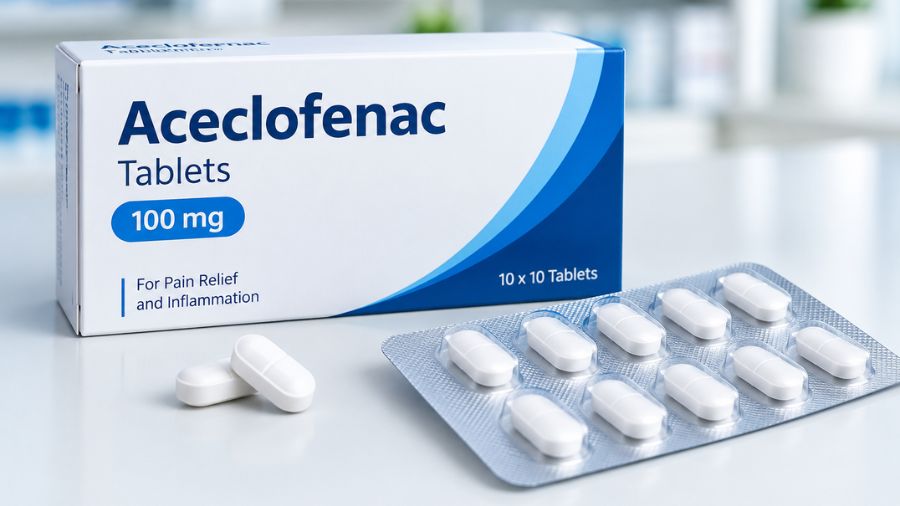
Aceclofenac is a nonsteroidal anti-inflammatory drug (NSAID) that helps reduce body pain, swelling, joint stiffness, and redness. It is commonly used to treat painful joint and bone conditions like rheumatoid arthritis and osteoarthritis. It works by blocking the activity of the COX (cyclooxygenase) enzyme, which stops the body from producing prostaglandins.
Prostaglandins are the chemical messengers responsible for pain, fever, and inflammation. By treating joint disorders, low back pain, dental pain, and post-surgery discomfort, the Aceclofenac tablet makes it easier and less painful for you to move around. Its common brand names are Acemiz, Acenext, Hifenac, and Zerodol.



What Are the Uses of Aceclofenac Tablet?

When you study the aceclofenac tablet uses, you will find that doctors frequently prescribe them to help improve joint mobility and help patients comfortably perform daily activities. It works by stopping certain chemical messengers in the body that cause inflammation and pain.
- Rheumatoid Arthritis: Aceclofenac tablet helps in managing a long-term condition where the immune system mistakenly attacks the joints. It helps lower the severe pain, swelling, and inflammation felt in the joints, so you can move your body more easily.
- Ankylosing Spondylitis: This painful condition causes inflammation and stiffness in your spine, lower back, and joints. By taking this tablet, you can get relief from constant backache, reduce constant pain, and help you to bend or move more freely.
- Osteoarthritis: This type of arthritis happens when the protective cartilage inside your joints wears down over time, causing bones to rub together. Doctors recommend that patients take this tablet to relieve pain and stiffness, so they can walk and move with less trouble.
- Dental & Post-Surgical Pain: One of the most common uses of aceclofenac tablet is to manage the pain after a tooth extraction or surgery. This medicine blocks fast pain signals, so you can rest without feeling constant throbbing discomfort.
- Acute Musculoskeletal Pain: This tablet treats sudden pain affecting your muscles, ligaments, or tendons caused by strains, sprains, or sports injuries. It relaxes the area and calms down the local swelling, so you can get back to normal life.
- Severe Menstrual Cramps: Many women experience intense, throbbing pain in the lower abdomen during their period cycles. So, many doctors suggest taking this tablet to lower the chemical levels that cause uterine contractions. It helps reduce the severity of painful cramps and associated backaches.
What Are the Common Aceclofenac Tablet Side Effects?

You must also understand the common aceclofenac tablet side effects that might occur. This tablet can cause mild body changes as your system adjusts to it. If you experience any unwanted symptoms after taking this tablet, it’s best to consult your doctor before continuing your course.
- Stomach and Digestive Issues: This tablet can upset your digestive tract. So, you might experience nausea, vomiting, loose stools, or sharp belly pain. Some people also notice extra gas, bad heartburn, or constipation. These aceclofenac tablet side effects usually fade after a few days as your body gets used to it.
- Dizziness and Unusual Drowsiness: After taking this medicine sometimes, you can feel lightheaded and drowsy. So, it is best to avoid taking it while driving or operating heavy machines, as it can temporarily impact your focus and physical coordination.
- Skin Rashes and Irritation: Some people may develop mild, itchy skin rashes or red patches after taking this tablet. This is often a sign of a mild allergic reaction, and you should ensure it does not spread across your body.
- Temporary Blurry Vision: In rarer cases, this medicine can cause sudden visual disturbances like blurry or hazy vision. If your eyes struggle to focus properly while using the tablet, you should tell your doctor about it.
- Loss of Appetite: You might notice a drop in your hunger levels and feel like avoiding food entirely while on this course. However, you must keep eating small, gentle meals to protect your stomach from the strong medicine.
Serious Aceclofenac Side Effects
If after taking an aceclofenac tablet, you notice any of the following serious side effects, you must immediately visit your doctor:
- Severe Internal Bleeding and Ulcers: Long-term use of this medicine can cause severe stomach irritation and ulcers. So, if you notice persistent stomach pain, black stools, or bloody vomit, you must stop taking it and visit your doctor.
- Heart & Cardiovascular Risks: Taking this medicine for the long term, especially at higher doses, can raise your chance of having a heart attack or a stroke. This risk is much greater than for individuals who already have high blood pressure or a pre-existing heart problem.
- Liver & Kidney Damage: In rare cases, this strong medicine can harm your liver or kidneys. You might spot this issue through abnormal blood test results, dark urine, jaundice, or extreme fatigue.
Aceclofenac Tablet Dosage Guide: How to Take It

This medicine is available in the form of tablets that are to be taken orally. Understanding aceclofenac tablet dosage guidelines is very important to avoid sudden health complications and ensure maximum pain relief.
- Prescribed Dosage for Adults: The common aceclofenac tablet dosage recommended for adults is 100 mg twice daily. It is best to consume one in the morning and the other in the evening, or as directed by a doctor.
- Prescribed Dosage for Elderly: For elderly patients, the same dose is often prescribed, but doctors might make adjustments based on the patients’ overall health and kidney function.
- Ideal Timing for Consumption: You should always consume this medicine during a meal, right after eating food, or with a glass of milk. This will help you avoid stomach irritation often caused by this strong medicine.
- Proper Method of Swallowing: You must swallow the whole tablet with a glass of water, so you should not break, crush, or chew it.
- Managing a Forgotten Dose: If you ever miss your dose, take the tablet immediately unless your next dose is already near. You must never double your regular intake to compensate for a missed one.
Precautions While Taking Aceclofenac Tablet

Medicine manufacturing companies in India and doctors usually recommend that patients be aware of the precautions before taking this medicine.
- Empty Stomach Consumption: You must completely avoid taking this pain medicine on an empty stomach, as it can heavily damage your inner digestive tract lining. It can also cause painful gastric ulcers or constant burning sensations.
- Sharing Past Medical History: You must always inform your doctor if you suffer from chronic asthma, high blood pressure, or bleeding disorders. This helps doctors to confirm if you can safely experience the aceclofenac tablet side effects without worsening other diseases.
- Organ Health Status Update: Aceclofenac is not recommended if you are allergic to this medicine. When you visit your doctor, you must tell them about your high blood pressure or high cholesterol levels. This tablet must not be taken by anyone with heart, liver, or kidney problems.
- Pregnancy and Breastfeeding Restraints: If you are pregnant, planning a family, or nursing a baby, you must ask your doctor before taking this medicine, as it can badly affect your baby’s health.
Aceclofenac Tablet Interactions with Other Medicines
Certain medicines must not be taken with Aceclofenac tablets unless prescribed by your doctor.
| Interacting Drug | Medicine Examples | Why You Must Avoid |
| Oral Blood Thinners | Warfarin, Acenocoumarol | Drastically raises the chances of experiencing severe internal stomach bleeding. |
| Other NSAID Painkillers | Aspirin, Naproxen, and Diclofenac | Multiplies the toxic load on kidneys and irritates the stomach lining heavily. |
| Bone Disorder Medicines | Strontium | Changes how the body absorbs nutrients and disrupts bone density balance. |
Choose Medella Softgel for Quality Aceclofenac Manufacturing
Aceclofenac tablets are highly effective at reducing swelling and relieving joint or muscle pain. Whether you are dealing with arthritis or a sudden injury, this medicine can help you get back to your normal routine. It is always important to learn about the side effects and correct aceclofenac tablet dosage from your doctor to avoid any other health complications.
Pharma businesses looking for a trusted third party pharmaceutical manufacturer in India can partner with Medella Softgel. We are a WHO-GMP certified pharma company that offers custom third-party manufacturing services for a range of products, including tablets, capsules, softgel capsules, syrups, and ointments.
Whether you want to open your pharma brand or expand your current range, our team supports you with quality pharma products. Connect with Medella Softgel, a highly trusted name among the top medicine manufacturing companies in India, focused on quality, timely delivery, and compliant services.
Also Read: Why Global Pharma Companies Choose Indian Pharma Manufacturers